Since the US Food and Drug Administration (FDA) introduced the requirement for secure, computer-generated, time-stamped audit trails in 21 CFR Part 11, audit trail functionality has been recognized as a critical component of data integrity.
Articles should highlight regulations and guidance issued by the international regulatory bodies and coalitions. Case studies could demonstrate the application of regulations and industry-generated guidance for global harmonization of compliance and product registration. Topics could include regulations, standards, practices, and guidance related to drugs, the environment, health, and safety.
Since the US Food and Drug Administration (FDA) introduced the requirement for secure, computer-generated, time-stamped audit trails in 21 CFR Part 11, audit trail functionality has been recognized as a critical component of data integrity.
A single global digital chemistry, manufacturing, and controls (CMC) dossier is rapidly transitioning from a bold vision to a practical reality. However, realizing the full potential of these innovations requires significant coordination to harmonize and align across initiatives.
To accelerate the adoption of innovation in the global administration of the pharmaceutical industry, regulatory authorities and industry trade organizations must expand their scope and pursue a collaborative approach to recognition and reliance to streamline processes, enhance product quality, and improve patient access to medicines.
Since the US Food and Drug Administration (FDA) introduced the requirement for secure, computer-generated, time-stamped audit trails in 21 CFR Part 11, audit trail functionality has been recognized as a critical component of data integrity.
A single global digital chemistry, manufacturing, and controls (CMC) dossier is rapidly transitioning from a bold vision to a practical reality. However, realizing the full potential of these innovations requires significant coordination to harmonize and align across initiatives.
To accelerate the adoption of innovation in the global administration of the pharmaceutical industry, regulatory authorities and industry trade organizations must expand their scope and pursue a collaborative approach to recognition and reliance to streamline processes, enhance product quality, and improve patient access to medicines.
As regulatory trends and quality initiatives continue to evolve in the pharmaceutical industry, this issue examines industry rules that support continuous improvement across the product lifecycle.
Simplified approaches that enable changes to analytical procedures over their lifecycle are needed to allow continual improvements and adaptations due to technological obsolescence and other challenges. This article reflects on the positive impact that the recent ICH Q14 guidance can have on facilitating these changes. Five examples are provided that are based on scenarios in which analytical...
ISPE’s Q12 Implementation Team continued its series of training events with a well-attended course for Singapore’s Health Sciences Authority (HSA) in November.
Pharmaceutical and biotechnology companies employ platform analytical procedures in the development stages of their synthetic and biological drug products and are beginning to leverage them for commercial products. This shift is supported by the acceptance of platform procedures in the recently adopted ICH Q2(R2) and ICH Q14. Six case studies are shared in this article to highlight how...
In 2011, the US Food and Drug Administration (FDA) introduced the revised “Guidance for Industry: Process Validation: General Principles and Practices.”
ISPE’s regulatory initiatives and programs bring visibility and solutions to significant regulatory and quality challenges faced by the industry, facilitate the flow of information between ISPE members and global health authorities to find solutions, and promote interaction between regulatory bodies in the interests of harmonization.
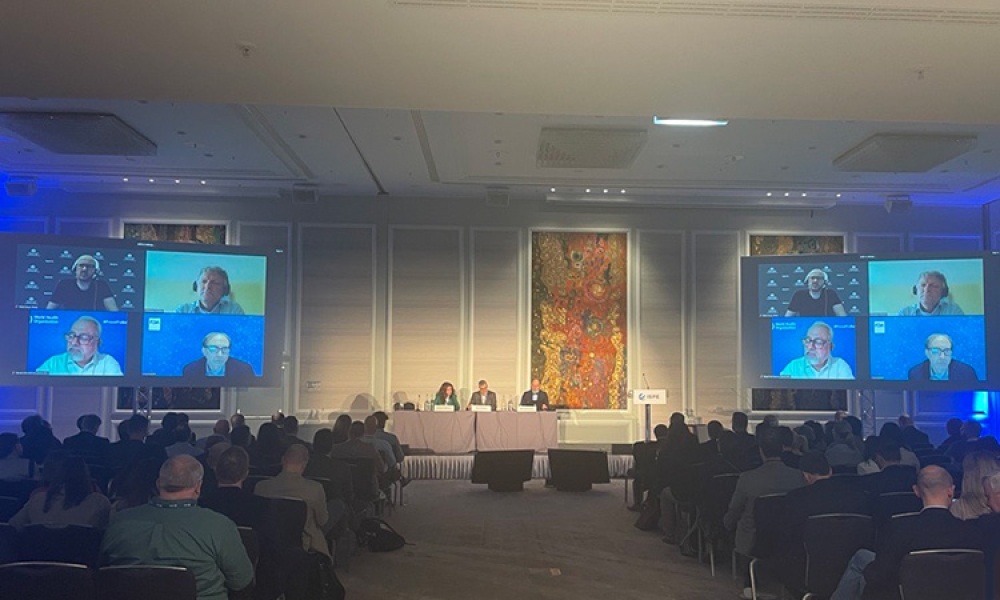
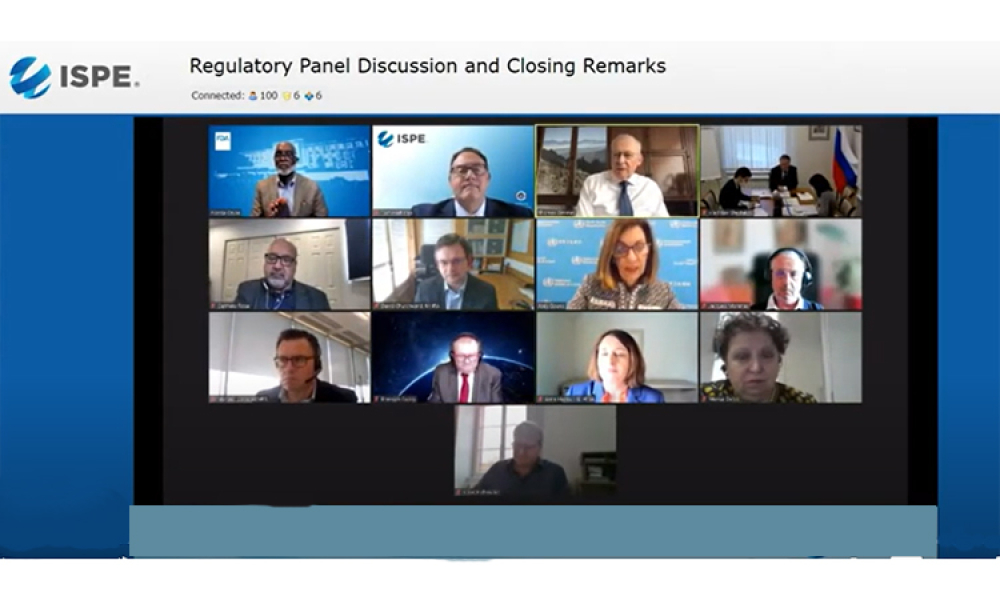
On 13 March 2024, ISPE concluded the 2024 Aseptic Conference with a regulatory panel question and answer session. Attendees were invited to submit questions to representatives from the Austrian Agency for Health and Food Safety (AGES), US Food and Drug Administration (FDA), Regierungspraesidium Tübingen (RP Tübingen), World Health Organization (WHO), Therapeutic Goods Administration (TGA), and...
With the Chinese government initiating drug regulatory reform in 2015 and China joining the International Council for Harmonisation (ICH) in 2017, a significant number of measures have been implemented by the government. The aim is to make fundamental changes to China’s drug regulatory administration system so it can facilitate pharmaceutical development and better meet patient needs in the...
The Asia Pacific region (APAC), like any large territory, encompasses a blend of well-established and early-stage economies, diverse healthcare systems, and differences in language, culture, politics, and technology adoption. APAC’s size and complexity has created new challenges and opportunities for the pharmaceutical industry as nations work together to meet the manufacturing needs for...
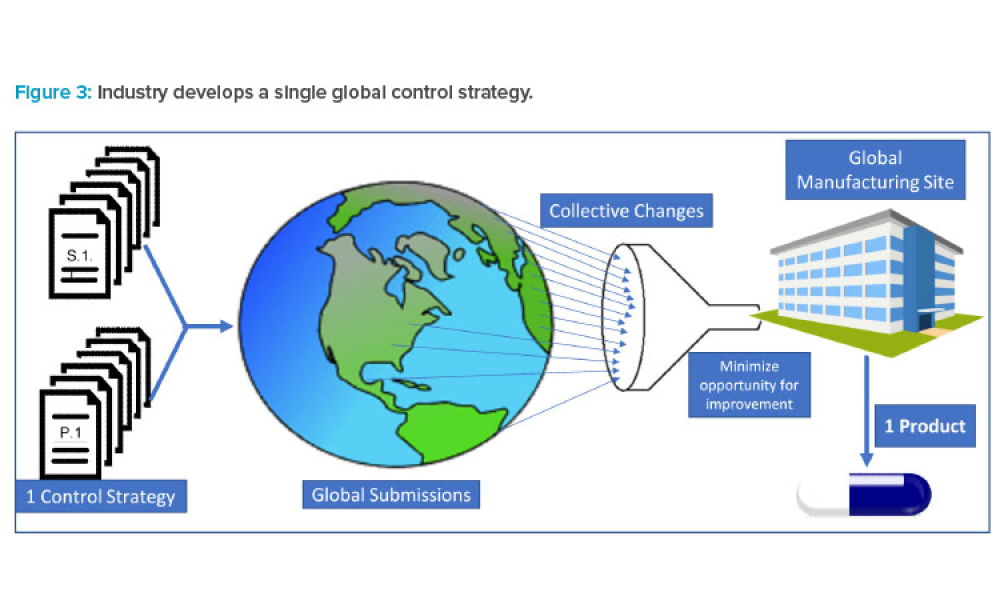
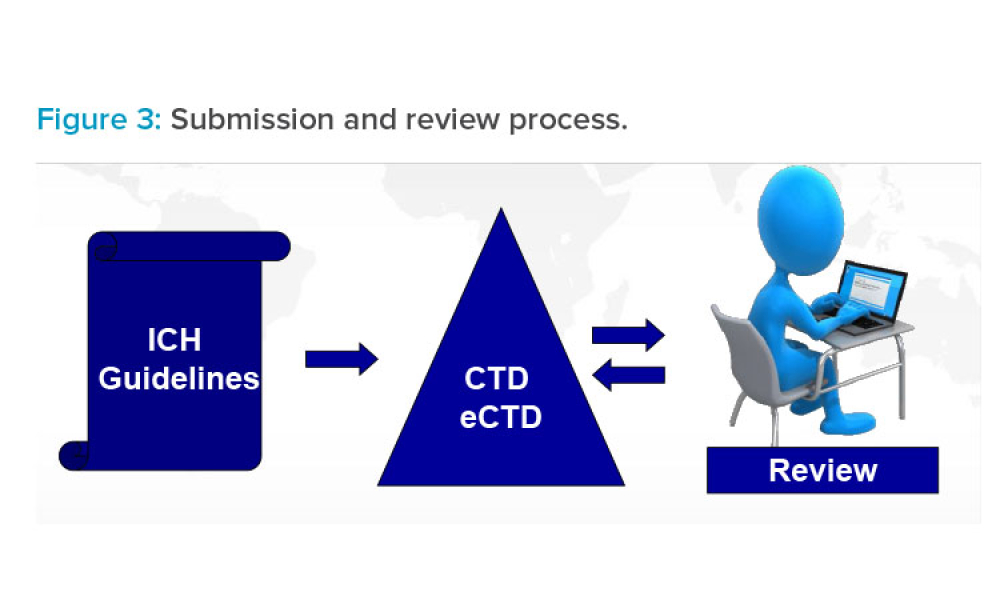
As the demand for accelerated access to medicines expands globally, the pharmaceutical industry is increasingly submitting regulatory applications in multiple countries simultaneously. As a result, Boards of Health (BoHs) are challenged with approving these applications in an accelerated timeframe and accommodating the submission of postapproval chemistry, manufacturing, and controls (CMC)...
The new European Commission GMP Annex 1 “Manufacture of Sterile Medicinal Products” and the equivalent Annex 2 from the World Health Organization (WHO) triggered a discussion in ISPE’s Germany/Austria/Switzerland (D/A/CH) Aseptic Processing Community of Practice (CoP) Steering Committee about where to qualify air speed: “at working position” versus “at working level.” This article provides...
This article describes how ISPE GAMP® 5: A Risk-Based Approach to Compliant GxP Computerized Systems (Second Edition) and related GAMP Good Practice Guides can be effectively applied to help meet the requirements of the proposed European Union (EU) artificial intelligence (AI) regulation for qualifying GxP-regulated systems employing AI and machine learning (ML).
ISPE has launched an important new initiative, “Enabling Global Pharma Innovation: Delivering for Patients,” in support of the aspirations of many regulatory agencies globally to promote introduction of innovative pharmaceutical manufacturing.
On 7 March 2023, ISPE continued its tradition of concluding the 2023 ISPE Aseptic Conference with a regulatory panel question and answer session. Attendees were invited to submit questions to the FDA representatives. This article offers highlights from the discussion.
The ICH Quality Discussion Group (QDG) has recommended contemporizing the specification setting guidelines ICH Q6A and Q6B. This provides an excellent opportunity to update ICH Q6A/B to align and work in a complementary manner with the science-, risk/knowledge-based concepts in ICH Q8–Q12. The ISPE Pharmaceutical Quality Lifecycle Implementation (PQLI) Patient-Centric Specification working...
On 7 March 2023, ISPE concluded the 2023 ISPE Aseptic Conference with a regulatory panel question and answer session. Attendees were invited to submit questions to the FDA representatives. This article offers highlights from the discussion.
Shortages of essential medicines around the world have been an ongoing concern for patients, caregivers, and regulators and have been exacerbated by the COVID-19 pandemic. Many regulators have instituted requirements for reporting potential or actual drug shortages.
Annex 1, the European Union’s revised GMP requirements for the manufacturing of sterile medicinal products, will take effect on 25 August 2023. In this panel, experts involved in industry’s commenting of the draft versions of Annex 1 offered background information on how the document was developed and answered questions on its implementation.
The global pandemic has demonstrated that now, more than ever, we need to work toward a global solution and prioritize the harmonization of technical requirements. Positive improvements have been observed in the acceptance and implementation of international standards by various regulatory agencies in Latin America. This article offers an overview of the chemistry, manufacturing, and controls...
To enable changes across the pharmaceutical industry, sustainability should be included alongside quality, efficacy, and safety when assessing medicines. This article reviews two case studies that cover sustainable pack types and extension of shelf life. With the drive to manage unmet medical need through acceleration of drug development programs, postapproval sustainability variations will...
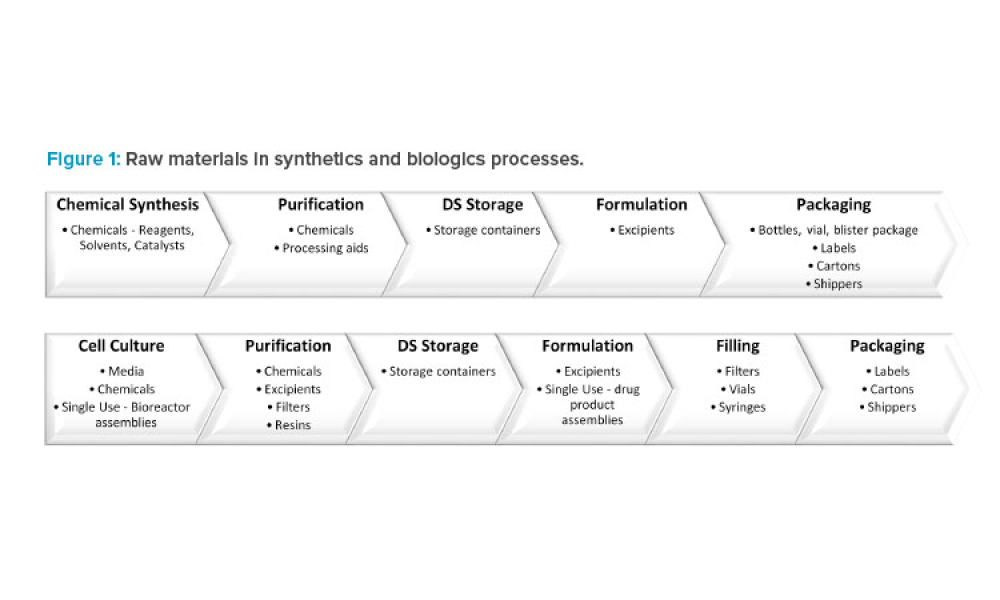
A reliable supply of raw materials is critical to maintain a robust supply chain to serve patients globally. With shortages, regulatory complexity is compounded due to differences in submission and data requirements from various regulatory agencies. Therefore, there is an increasing need to implement a harmonized regulatory infrastructure that is both flexible and predictable to provide more...
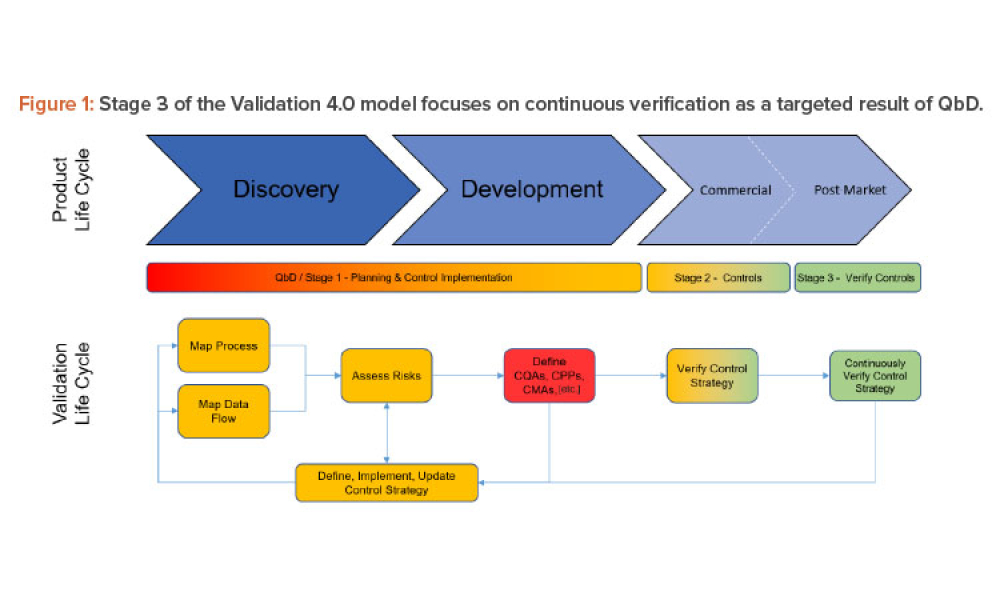
Three case studies on Validation 4.0 demonstrate how quality by design (QbD) principles, when applied with digitization, can verify processes in scale-up and technology transfer, and why blend and content uniformity matter for tablet integrity.
The International Council for Harmonisation of Technical Requirements for Pharmaceuticals for Human Use (ICH) guideline on Registration of Pharmaceuticals for Human Use (M4)
During the past decade, industry has experienced a proliferation of regulatory divergence regarding the interpretation and implementation of International Council for Harmonisation of Technical Requirements for Pharmaceuticals for Human Use (ICH) guidelines (and control strategies) across geographic regions. This article shares data that highlight instances where well-established ICH...
The ISPE Global Pharmaceutical Regulatory Summit, held virtually on 28 April 2021, brought together 11 regulators from different parts of the world to discuss how their...
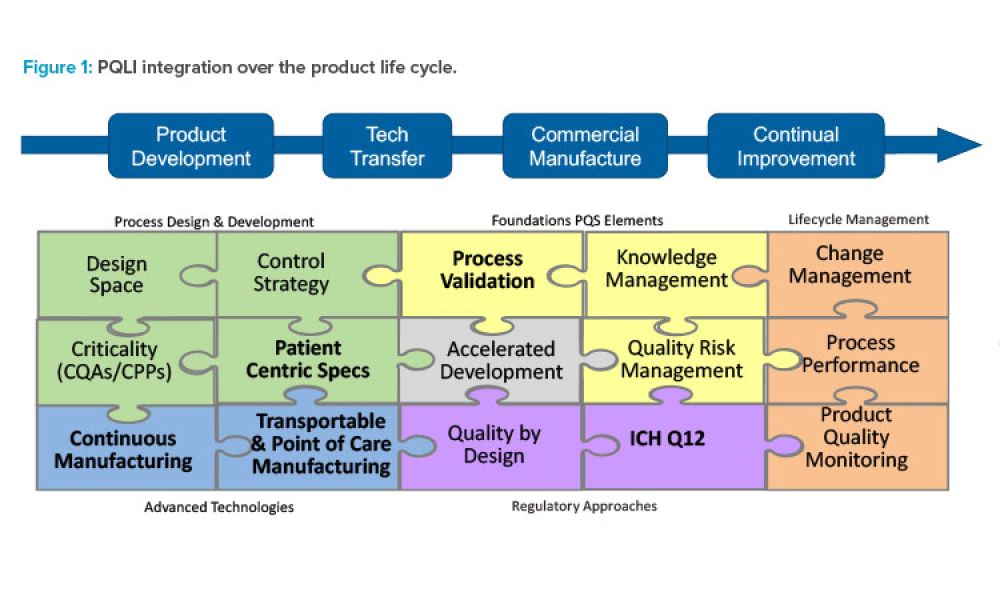
A unique aspect of the pharmaceutical industry is the pairing of innovation and regulation. For nearly two decades, ISPE’s Product Quality Lifecycle Initiative (PQLI®) has worked at the nexus of...
In its 30-year history, the International Council for Harmonisation of Technical Requirements for Pharmaceuticals for Human Use (ICH) has covered a wide range of topics to generate quality, safety, efficacy, and multidisciplinary harmonized guidelines. As science advances, issued guidelines are being updated and new guidelines are proposed in a pipeline of potential future activity. This...
ISPE’s Regulatory Affairs function plays a vital role in the Society, which is to build effective relationships with regulators and agencies globally and ensure all members have access to the latest regulatory developments and...
Management of global postapproval chemistry, manufacturing, and controls (CMC) changes is a growing challenge for industry with many issues. ICH Q12 (Technical and Regulatory Considerations for Pharmaceutical Product Lifecycle Management) is a transformative document shaping global regulatory postapproval submissions that will help alleviate some of these issues.
Application of continuous manufacturing (CM) in the pharmaceutical industry is gaining momentum. Most of the current experience is based on oral solid dosage (OSD) projects but in the future continuous manufacturing should not be limited to these dosage forms. In this article, the regulatory acceptability of continuous manufacturing to produce pharmaceuticals is demonstrated in different...
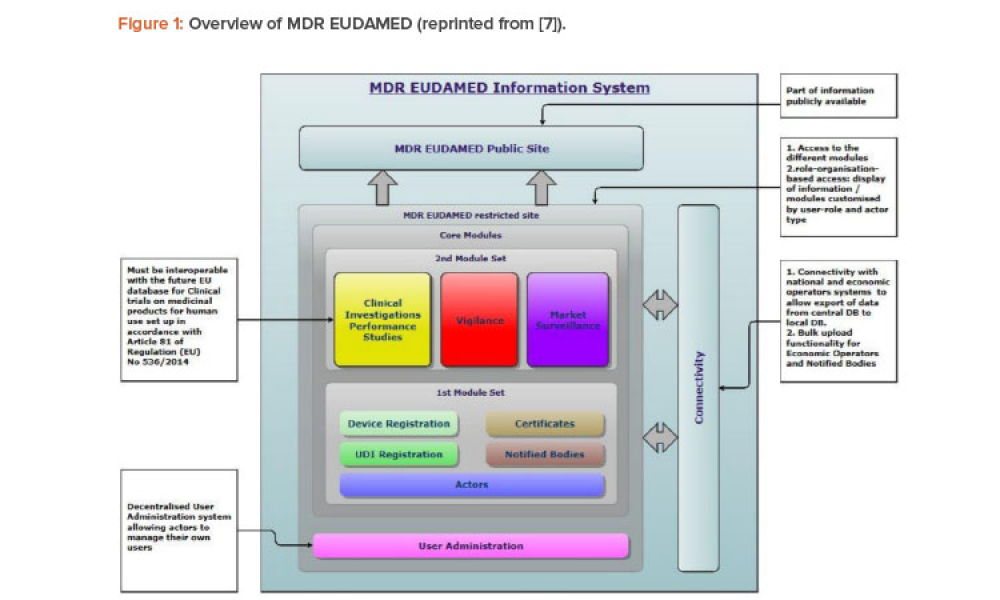
Since 2019, the ISPE France Affiliate’s Unique Device Identification (UDI) Medical Device Work Group has been producing tools to help project stakeholders within the EU or overseas understand and comply with EU regulations of UDIs in medical devices. Some of those tools are highlighted in the article.
In 2021, the ISPE GAMP® Community of Practice (CoP) is celebrating 30 years of promoting industry good practice for computerized systems and encouraging technical innovation and progress, while protecting patient...

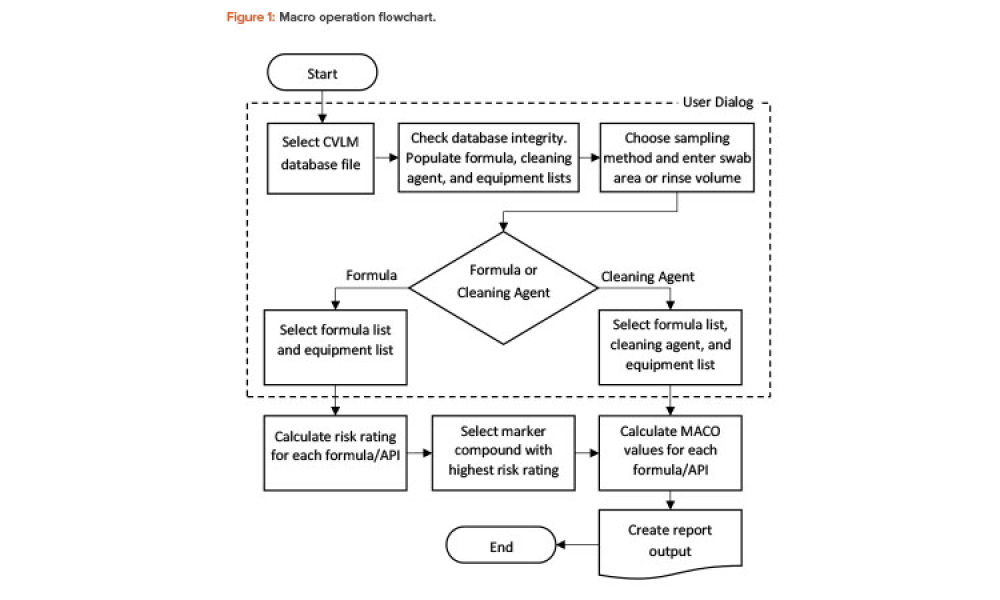
For a multiproduct facility where equipment is shared, there is always a risk from cross-contamination. The correct calculation of the cleaning validation limits from maximum allowable carryover (MACO) of a marker compound to the next product is vital for the integrity and success of the cleaning validation program. However, the process yielding those limits often involves cumbersome,...
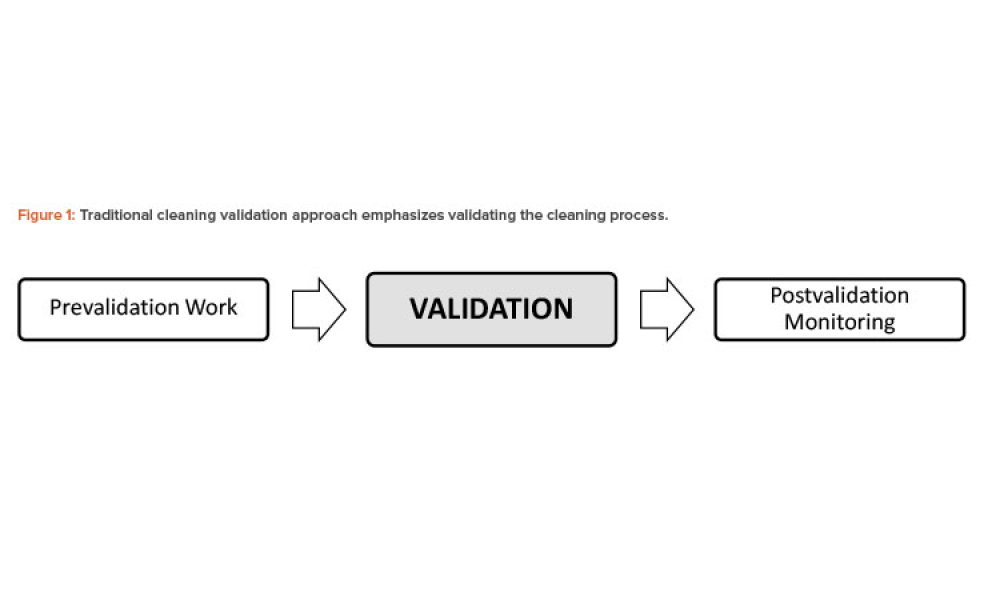
Across every industry today, digitalization is driving the use and value of data to disrupt traditional business models and ways of working. In pharmaceuticals, the promises of Industry 4.0 are expected, and needed, to finally modernize the legacy approaches that have evolved since the 1970s. Validation is an obvious target for digital disruption because of the inefficient, document-heavy...

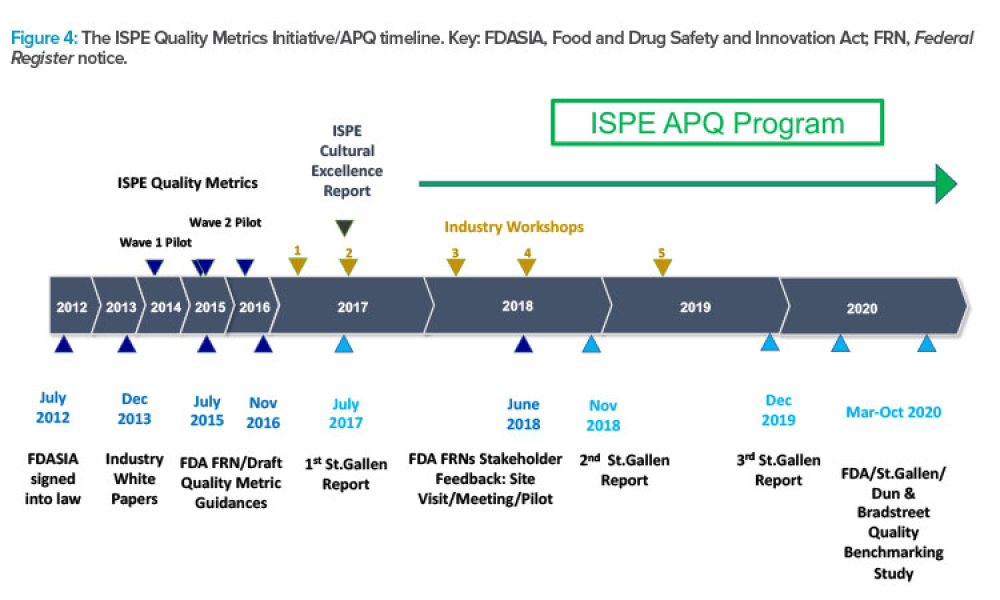
ISPE has announced the launch of its Advancing Pharmaceutical Quality (APQ) Program with the publication of the ISPE APQ Guide: Corrective Action and Preventive Action (CAPA)...
Personnel management is the most challenging variable in maintaining current Good Manufacturing Practice (cGMP) across the life cycle of drug manufacture, safety, and supply. A standard operating procedure (SOP) outlines agreed-upon instructions for personnel training and instructions for maintaining systems, machines, documents, and records in a qualified state to produce safe products. This...
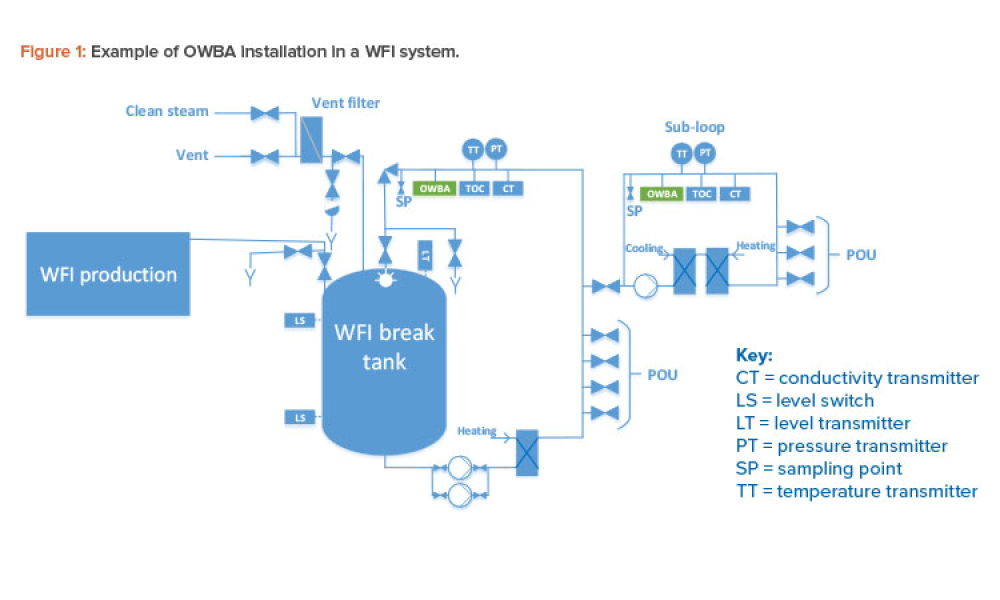
Online water bioburden analyzers (OWBAs) are analytical instruments providing real-time or near real-time measurement of bioburden in purified water systems.
When faced with large-scale disruptive events such as the COVID-19 pandemic, the emergency and business continuity plans of drug manufacturers and event-specific actions of health authorities may not always be sufficient to prevent shortages of critical medical products. However, early, transparent engagement with health authorities is a powerful opportunity for drug manufacturers to...
Over the years, the roles and responsibilities of engineering and quality/validation personnel for commissioning and qualification (C&Q) activities have evolved. Now more than ever, commissioning and qualification approaches based on quality risk management (QRM) principles rely heavily on engineering and the application of Good Engineering Practice (GEP) to provide documentation for the...
Virtually every ISPE member has at least one story to tell about how health authority inspections or the review and approval of regulatory applications have affected their efforts to supply critically needed medications to patients globally. Although these stories may emphasize the considerable challenges that ISPE members face, they also frequently identify great opportunities for innovation...
Annex 2 is the Good Manufacturing Practices (GMP) document by the Pharmaceutical Inspection Co-operation Scheme (PIC/S) addressing manufacture of biological medicinal substances and products for human use. This article shares information about Annex 2 and ISPE’s submitted comments to the draft revision of Annex 2 that was released for public consultation in September 2019.
On 20 November 2019, the ICH Assembly endorsed the Q12 guideline, “Technical and Regulatory Considerations for Pharmaceutical Product Lifecycle Management,” at its biannual meeting in Singapore. This transformational guideline has a wide scope of applicability across pharmaceutical drug substances and products (both chemical and biological), drug-device combination products that meet the...