

Join the Conversation
As an ISPE member you can engage with 22 active CoPs, including new communities focused on Artificial Intelligence and Sustainability. Connect with experts and join the conversations: Become an ISPE member
ISPE members: Get more involved by volunteering.
ISPE’s Drug Shortages Initiative focuses on the technical, scientific, manufacturing, quality and compliance issues associated with a company’s supply chain and related to its ability to source, manufacture and distribute products that have resulted in drug shortages.
Any effort to effectively address the complex and multi-faceted issues contributing to drug shortages requires close technical collaboration and clear communication between the pharmaceutical industry and global health authorities. For nearly a decade, ISPE has been instrumental in facilitating communication between the different sectors of the pharmaceutical industry and global health authorities related to drug shortages.

iSpeak Blog
From Component to Patient: Keeping Pharmaceutical Supply Continuous Through Regulatory Transitions
Regulatory transitions, product re-registration, marketing-authorization transfers, site changes…

iSpeak Blog
Streamlining the Path to Drug Supply Resilience in the US
Finding the Way Forward Together Everyone can agree patients need reliable access to their medicines…

iSpeak Blog
Crisis Management and Partnership with US Food and Drug Administration (US FDA): North Cove’s Recovery After Hurricane Helene
In September 2024, Hurricane Helene, a category 4 hurricane, hit the Baxter North Cove facility in…
Video
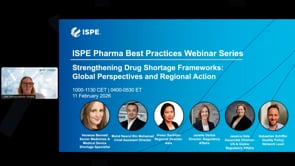
Strengthening Drug Shortage Frameworks: Global Perspectives and Regional Action
Strengthening Drug Shortage Frameworks: Global Perspectives and Regional Action Complimentary…

PE Articles
Critical Deficiencies Undermine QRM Effectiveness
With nearly 2,000 drugs currently in shortage across the UK—a staggering increase from 1,608 just…
iSpeak Blog
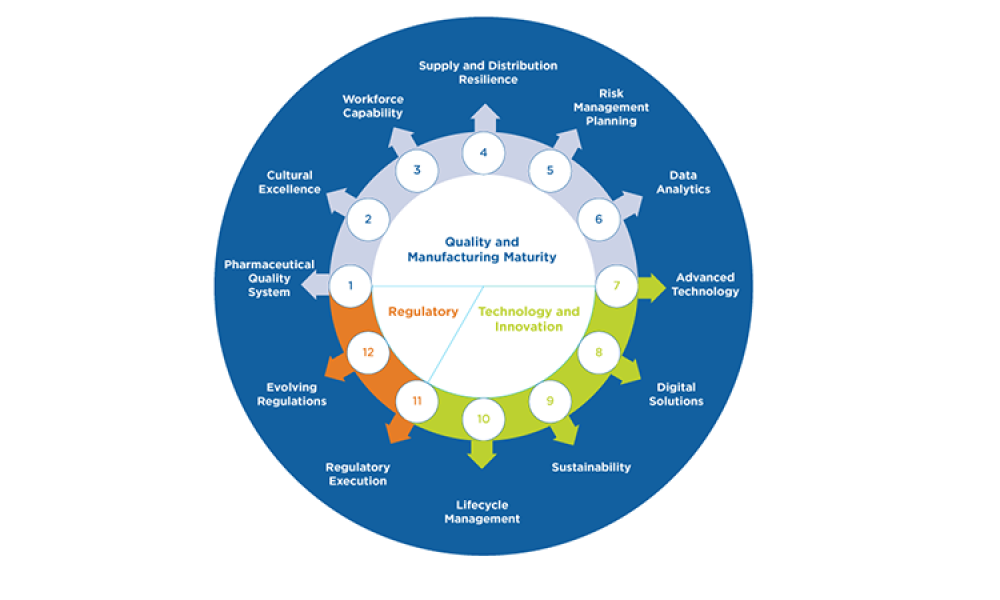
A Holistic Mindset is Key to Supply Resiliency
Supply resiliency for pharmaceutical manufacturing has been a topic of increasing interest to global…

Basic page
ISPE Regulatory Digest Q1 2024
ISPE is committed to fostering communications and interactions to advance common interests among the…
iSpeak Blog
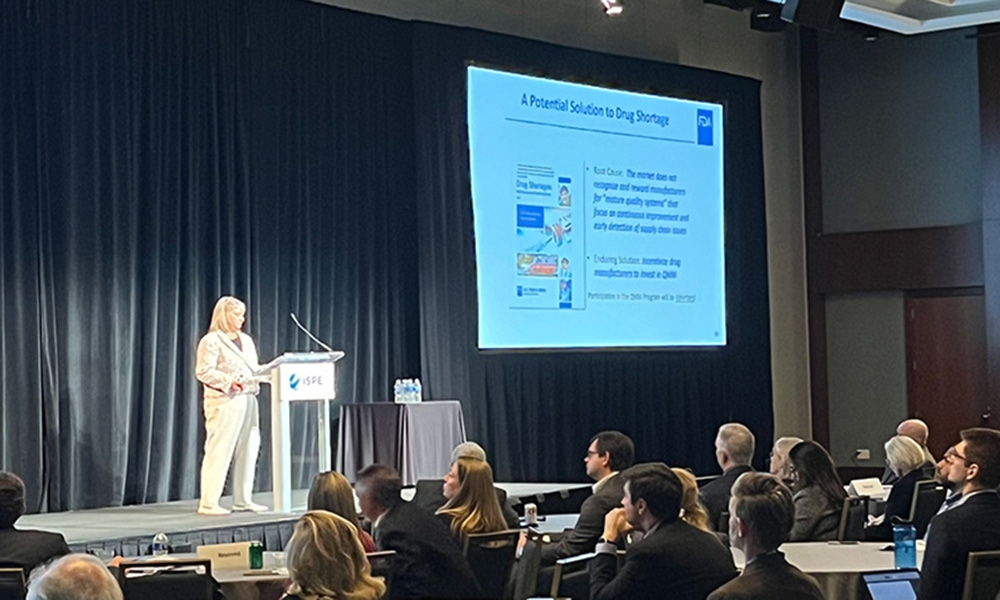
Understanding the Challenges in Drug Shortages
Carla J. Lundi, US Food and Drug Administration (FDA) Senior Consumer Safety Officer, Division of…
Video
Mastering Controlled Temperature Chambers: Qualification, Mapping, and Monitoring in GxP Environments
Complimentary Learning Level: Basic/Intermediate Session Length: 1 hour This webinar offers a…
News
Scrip Asks…What Does 2024 Hold for Biopharma?
ISPE President and CEO Thomas Hartman calls attention to the importance of addressing drug shortages…
News
Manufacturing and Supply Chain: Making Space Between a Rock and a Hard Place
Leaders from the pharmaceutical industry are providing suggestions to their peers and colleagues, in…

PE Articles
Risk Management for Avoidance of Drug Shortages
Shortages of essential medicines around the world have been an ongoing concern for patients…
Guidance Documents
Active Pharmaceutical Ingredients (1)
Drug Shortages (3)
Project Management (1)
Quality Assurance (1)
Supply Chain Management (1)
Community Discussions
Community Discussions
Nov 06, 2025
Information Systems
Regulatory
Advanced Manufacturing
Artificial Intelligence
Oct 31, 2025
Information Systems
Regulatory
Advanced Manufacturing
Artificial Intelligence
Oct 20, 2025
Information Systems
Regulatory
Advanced Manufacturing
Artificial Intelligence
Oct 18, 2025
Information Systems
Regulatory
Advanced Manufacturing
Artificial Intelligence
Oct 16, 2025
Information Systems
Regulatory
Advanced Manufacturing
Artificial Intelligence
Pharmaceutical Engineering Magazine Articles
Critical Deficiencies Undermine QRM Effectiveness
With nearly 2,000 drugs currently in shortage across the UK—a staggering increase from 1,608 just…
Risk Management for Avoidance of Drug Shortages
Shortages of essential medicines around the world have been an ongoing concern for patients…

ISPE Briefs: ISPE Initiatives Provide Guidance on Medicines Supply
ISPE task teams created reports and a model to examine the challenges surrounding drug shortages…
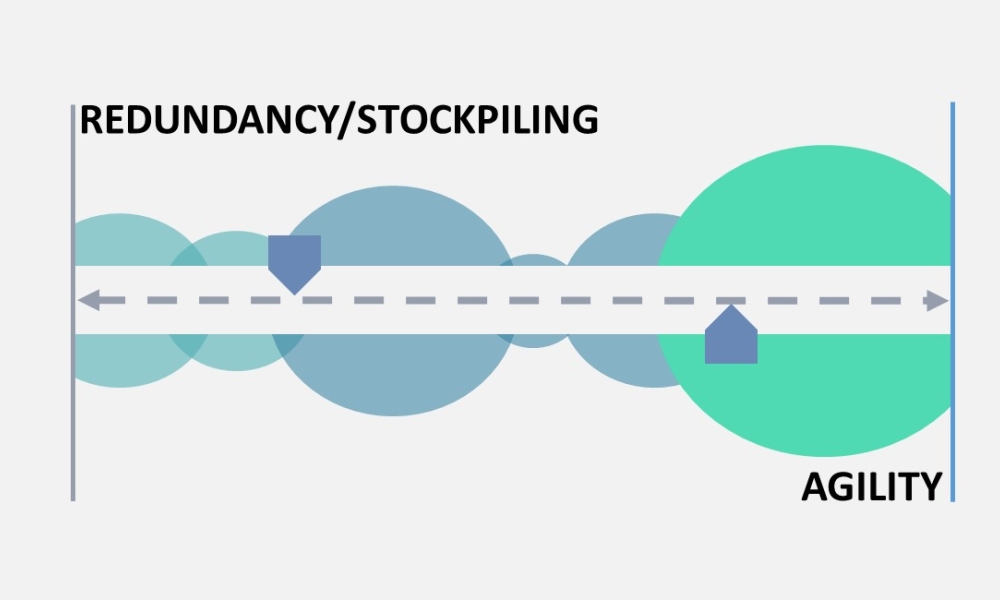
Business Continuity Planning to Prevent Drug Shortages
As noted in the ISPE Drug Shortages Prevention Plan, International Society for Pharmaceutical…
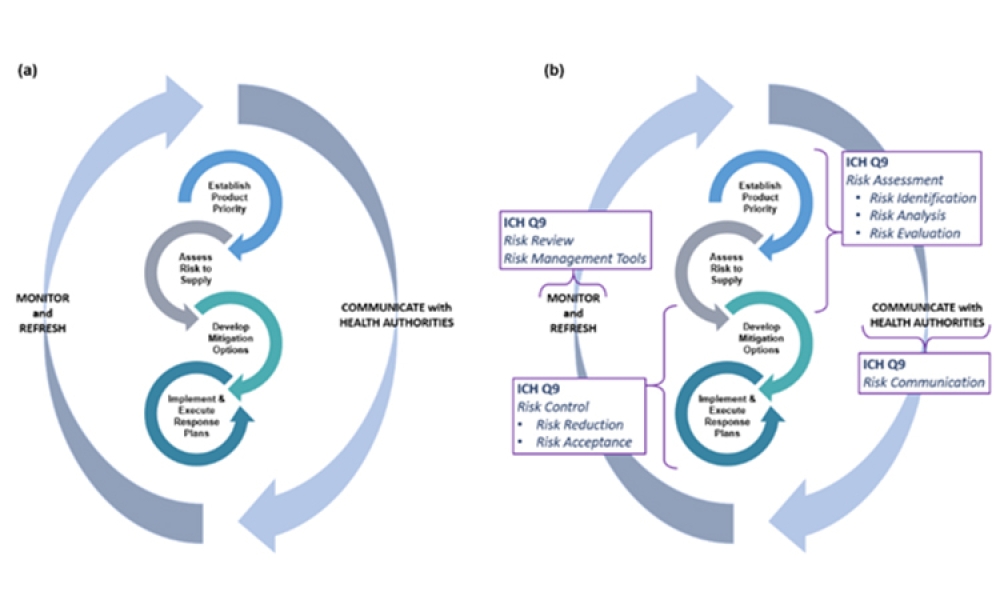
Drug Shortages: a 30,000 Ft View: Business Continuity Planning for Preventing Drug Shortages
As noted in the ISPE Drug Shortages Prevention Plan, International Society for Pharmaceutical…

Engage with Health Authorities to Mitigate & Prevent Drug Shortages
When faced with large-scale disruptive events such as the COVID-19 pandemic, the emergency and…
Webinars
Featured Conferences

Special Initiatives

iSpeak Blog Posts



Professional Development Training
Commissioning and Qualification Microlearning: Periodic Review
The "Periodic Review" section of the Science & Risk-based Commissioning and Qualification (T40) training course examines how periodic review supports the continued maintenance of systems in a validated and qualified state. Participants explore the regulatory expectation that systems remain suitable for their intended purpose through lifecycle controls such as change control, maintenance, calibration, deviation management, and performance monitoring. The module also introduces a risk-based approach to determining periodic review frequency, including the use of review categories based on system…
Commissioning and Qualification Microlearning: Process Control and Automation
The "Process Control and Automation" section of the Science & Risk-based Commissioning and Qualification (T40) training course examines how GAMP® Quality Risk Management principles can be integrated with science- and risk-based C&Q for process control systems. Participants explore the relationship between manufacturing systems, process equipment, sensors, actuators, and Process Control Systems (PCS), as well as how product and process knowledge, Critical Quality Attributes (CQAs), and Critical Process Parameters (CPPs) inform automation and control requirements. The module also covers the…
Commissioning and Qualification Microlearning: Acceptance and Release
The "Acceptance & Release" section of the Science & Risk-based Commissioning and Qualification (T40) training course examines the final review and formal release of systems following the commissioning and qualification activities. Participants explore how testing results, discrepancies, engineering changes, and required quality system elements are reviewed to determine whether a system is suitable for manufacturing operations, the next stage of qualification, or use in PPQ or commercial production. The module also covers the transition of system ownership from the project team to operations…
Commissioning and Qualification Microlearning: Good Documentation Practice for Commissioning and Qualification
The "Good Documentation Practice for C&Q" section of the Science & Risk-based Commissioning and Qualification (T40) training course examines the documentation principles used to support clear, accurate, and reliable C&Q records. Participants explore how Good Documentation Practice supports data integrity through records that are attributable, legible, contemporaneously recorded, original or a true copy, and accurate. The module also compares commissioning and qualification documentation, including differences in approval, testing strategy, acceptance criteria, engineering judgment, Quality…
Commissioning and Qualification Microlearning: Implementation Strategy for New and Legacy Systems
The "Implementation Strategy for New & Legacy Systems" section of the Science & Risk-based Commissioning and Qualification (T40) training course examines how organizations can transition to a science- and risk-based C&Q approach for both new and existing systems. Participants explore the importance of organizational readiness, senior management support, quality systems, Good Engineering Practice (GEP), staff training, and a defined implementation plan when introducing a new C&Q strategy. The module also covers how the approach can be adapted for new projects, major changes, minor changes, and…