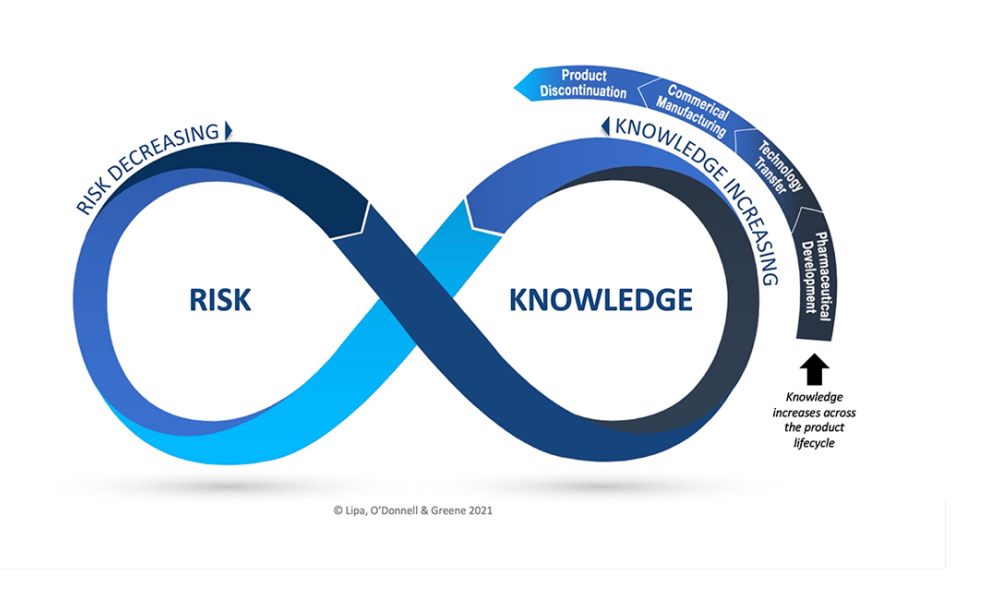
Pharmaceutical Product Lifecycle Management is the process of managing the entire lifecycle of a product from its conception, through design and manufacture, to service and disposal. Lifecycle Management forms the product information backbone for a company and its extended enterprise.

Product
GAMP Good Practice Guide: Computerized GCP Systems & Data 2nd Edition
Published: July 2024 Pages: 258 Table of Contents Special Pricing for Emerging Economies Advances in…
Video
Connecting ATMP Discovery to Commercial: Improving Manufacturability
Connecting ATMP Discovery to Commercial: Improving Manufacturability Complimentary Learning Level…
Video
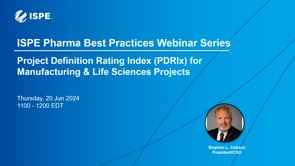
Project Definition Rating Index (PDRIx) for Manufacturing & Life Sciences Projects
Project Definition Rating Index (PDRIx) for Manufacturing & Life Sciences Projects Complimentary…

PE Articles
Evaluation of Impact of Statistical Tools on Process Performance Qualification (PPQ) Outcomes
This discussion paper uses segments of typical validation case studies (validation of key attributes…

PE Articles
Stage 2 Process Validation: Process Performance Qualification Batches
The purpose of this paper is to stimulate further discussion and suggest potential practical…
Video
Effective Process Validation Strategies for Successful Product Commercialization
Effective Process Validation Strategies for Successful Product Commercialization Complimentary…

iSpeak Blog
Where Are We on the Digital Road Map? Find Out at the 2025 ISPE Biotechnology Conference
Digital transformation isn’t a future concept in the biopharmaceutical industry—it is already…
Video
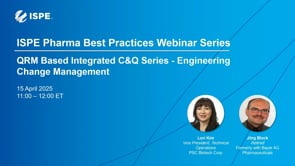
QRM Based Integrated C&Q Series - Engineering Change Management
QRM Based Integrated C&Q Series - Engineering Change Management Complimentary Learning Level…

Video
QRM Based Integrated C&Q Series - Good Engineering Practices as a Key Enabler for Integrated C&Q
QRM Based Integrated C&Q Series - Good Engineering Practices as a Key Enabler for Integrated C&Q…

iSpeak Blog
Approaches to Lifecycle Management and Regulatory Readiness in Advanced Therapies
At the 2024 ISPE Annual Meeting & Expo, a session focused on lifecycle management considerations for…
Video
The Use of Engineering Change Management (ECM)
Complimentary Learning Level: Basic Session Length: 1 hour Asset Life Cycle Management evolves in…

iSpeak Blog
The Future of ATMPs: Insights, Opportunities, and Innovations at the 2024 ISPE Annual Meeting
Globally, there is an increase in approved advanced therapy medicinal products (ATMPs), with…
Product
GAMP Good Practice Guide: Computerized GCP Systems & Data 2nd Edition
Published: July 2024 Pages: 258 Table of Contents Special Pricing for Emerging Economies Advances in…
Video
Connecting ATMP Discovery to Commercial: Improving Manufacturability
Connecting ATMP Discovery to Commercial: Improving Manufacturability Complimentary Learning Level…
Video
Project Definition Rating Index (PDRIx) for Manufacturing & Life Sciences Projects
Project Definition Rating Index (PDRIx) for Manufacturing & Life Sciences Projects Complimentary…
PE Articles
Evaluation of Impact of Statistical Tools on Process Performance Qualification (PPQ) Outcomes
This discussion paper uses segments of typical validation case studies (validation of key attributes…
PE Articles
Stage 2 Process Validation: Process Performance Qualification Batches
The purpose of this paper is to stimulate further discussion and suggest potential practical…
Video
Effective Process Validation Strategies for Successful Product Commercialization
Effective Process Validation Strategies for Successful Product Commercialization Complimentary…
iSpeak Blog
Where Are We on the Digital Road Map? Find Out at the 2025 ISPE Biotechnology Conference
Digital transformation isn’t a future concept in the biopharmaceutical industry—it is already…
Video
QRM Based Integrated C&Q Series - Engineering Change Management
QRM Based Integrated C&Q Series - Engineering Change Management Complimentary Learning Level…
Video
QRM Based Integrated C&Q Series - Good Engineering Practices as a Key Enabler for Integrated C&Q
QRM Based Integrated C&Q Series - Good Engineering Practices as a Key Enabler for Integrated C&Q…
iSpeak Blog
Approaches to Lifecycle Management and Regulatory Readiness in Advanced Therapies
At the 2024 ISPE Annual Meeting & Expo, a session focused on lifecycle management considerations for…
Guidance Documents
Advanced Manufacturing (1)
+Biotechnology (2)
+GAMP® (1)
+Knowledge Management (1)
+Lifecycle Management (6)
+Manufacturing Operations (1)
+Process Analytical Technology (3)
+Quality by Design (2)
+Validation (1)
+Community Discussions
Community Discussions
Jun 20, 2025
Sustainable Facilities, HVAC, & Controlled Environments
Jun 19, 2025
Quality
Lifecycle Management
Validation
May 22, 2025
Apr 24, 2025
Validation
Apr 16, 2025
Information Systems
Regulatory
Advanced Manufacturing
Artificial Intelligence
Pharmaceutical Engineering Magazine Articles
PE Articles
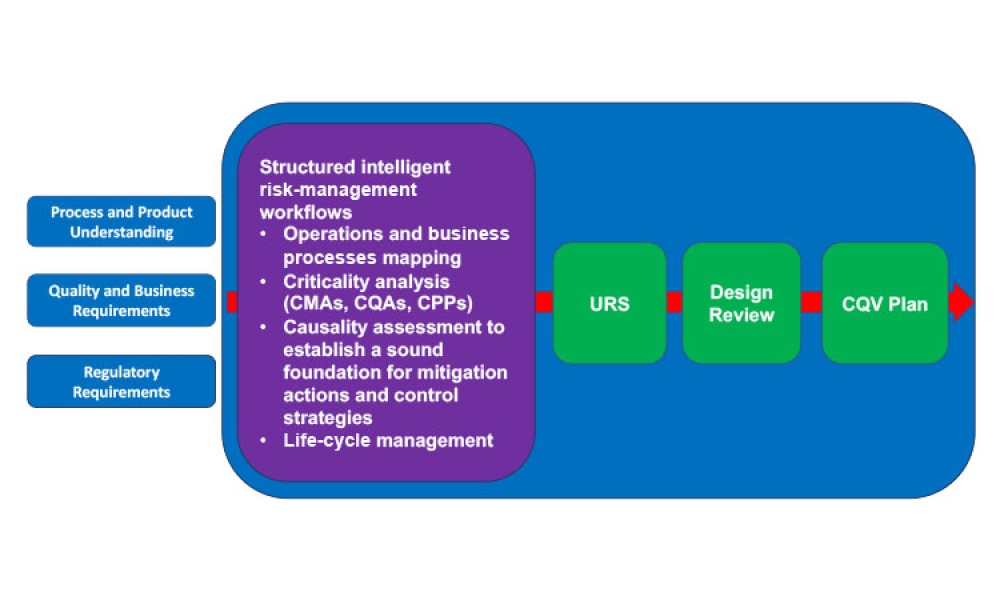
Today’s Pharma and Biotech Projects: A Phased Approach
This article revisits the concept of phased engineering, procurement, and construction (EPC) and…
PE Articles
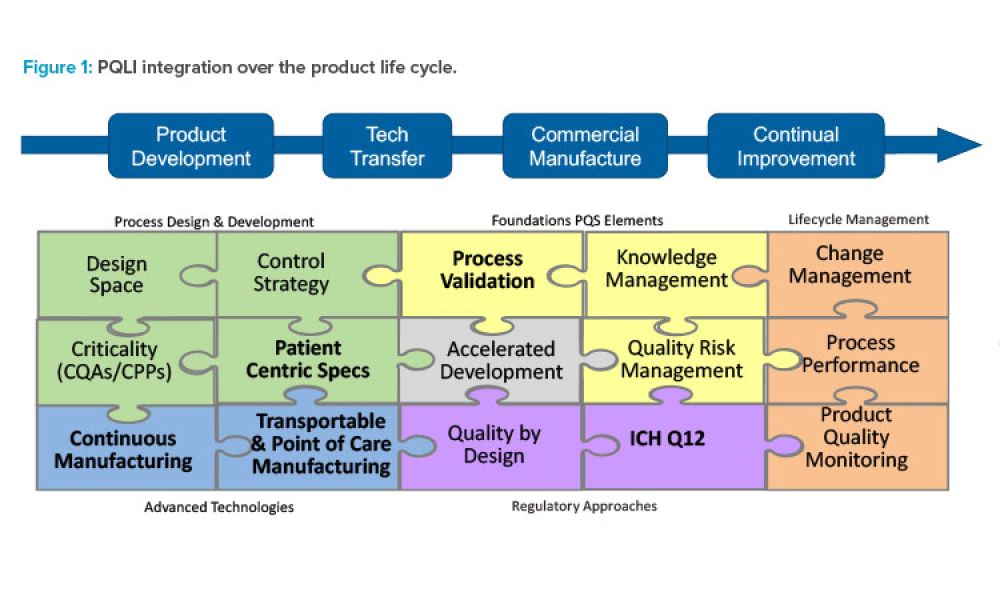
PQLI®: Advancing Innovation & Regulation
A unique aspect of the pharmaceutical industry is the pairing of innovation and regulation. For…

PE Articles
A Vision for ICH Q12: Current Experience, Future Perspectives
Management of global postapproval chemistry, manufacturing, and controls (CMC) changes is a growing…

PE Articles
Navigating the Life Cycle for Cell & Gene Therapies
Cell and gene therapies are complex. As more therapies come to market in the hope of bringing…
PE Articles
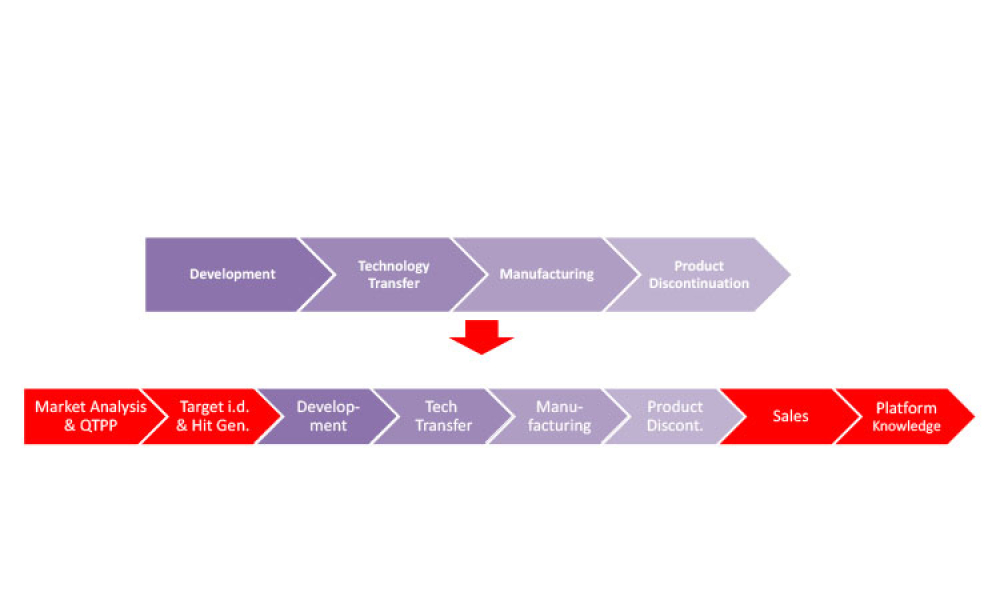
Data Science for Pharma 4.0™: Drug Development, & Production—Part 2
This second of a two-part series explores digital transformation and digitalization in the…

PE Articles
New Guides Expand ATMP Knowledge
The ISPE Guide: Advanced Therapy Medicinal Products – Allogeneic Cell Therapy and the ISPE Guide…
PE Articles
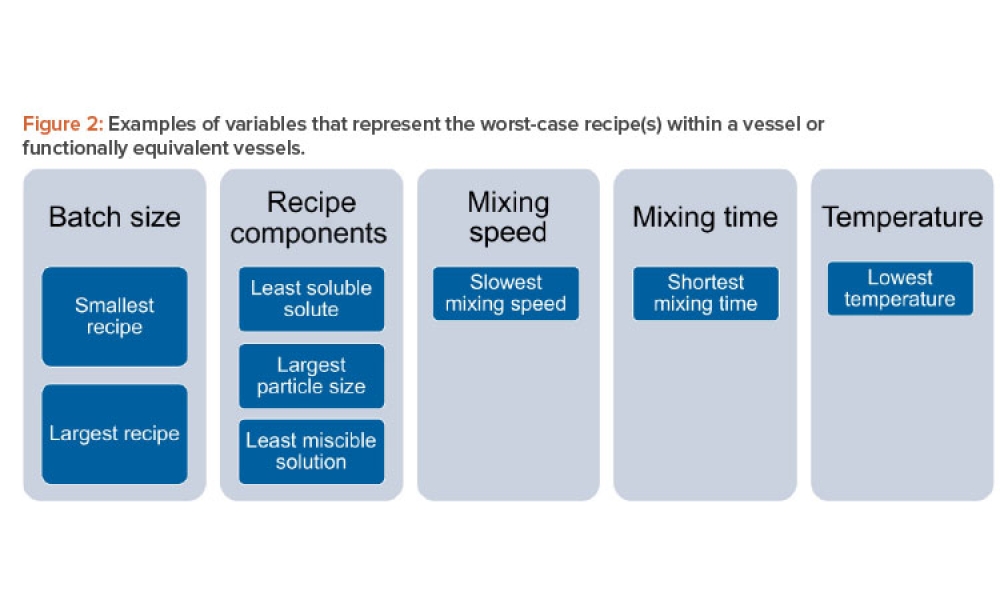
Risk- And Science-Based Media and Buffer Mixing Validations
The validation of media and buffer mixing is a continuing area of resource constraint in the…

PE Articles
Leveraging GAMP® 5 Second Edition for Medical Devices
This article provides a brief introduction into the standards and regulations for medical devices…
PE Articles
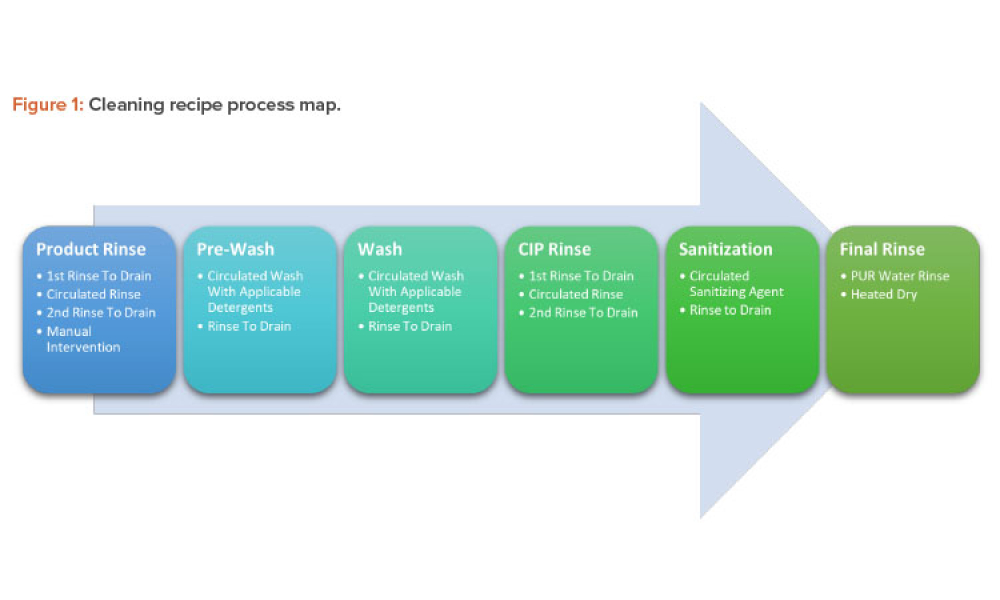
Life-Cycle Approach to Cleaning Topical Drug Products
Topical drug products and cosmetics are often manufactured in the same facility under a unified…
PE Articles
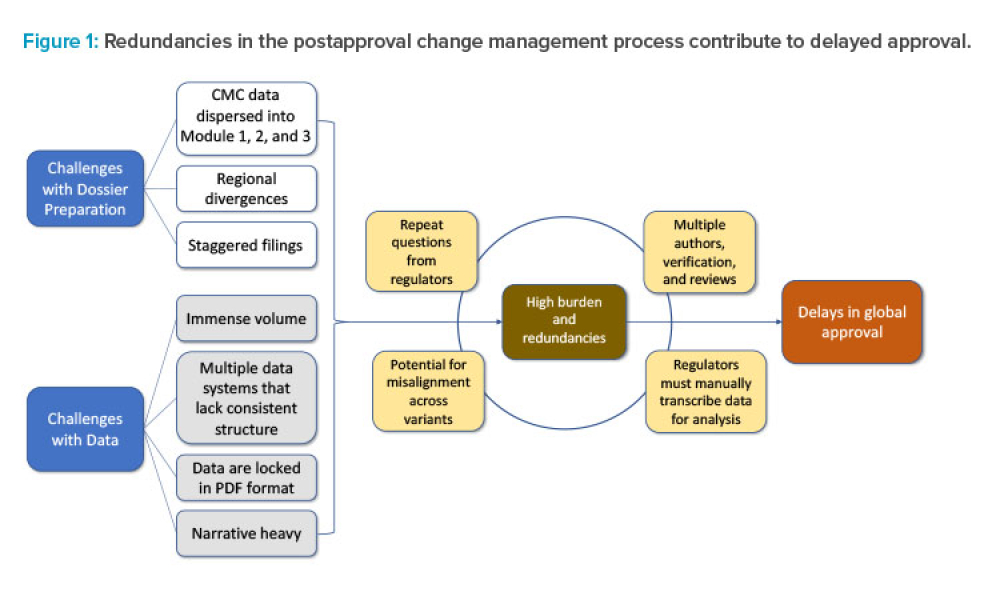
Streamlining Postapproval Submissions Using ICH Q12 & SCDM
Postapproval change management of pharmaceuticals is an essential part of life-cycle management but…

PE Articles
Reimagining CPV for a Pharma 4.0™ World
The life cycle approach to process validation stresses the need for continued monitoring of process…

PE Articles
Viral Vector Platforms: Intersection of Facility and Program
Realizing the promise of any novel viral vector therapeutic depends on the innovator’s ability to…
PE Articles
Today’s Pharma and Biotech Projects: A Phased Approach
This article revisits the concept of phased engineering, procurement, and construction (EPC) and…
PE Articles
PQLI®: Advancing Innovation & Regulation
A unique aspect of the pharmaceutical industry is the pairing of innovation and regulation. For…
PE Articles
A Vision for ICH Q12: Current Experience, Future Perspectives
Management of global postapproval chemistry, manufacturing, and controls (CMC) changes is a growing…
PE Articles
Navigating the Life Cycle for Cell & Gene Therapies
Cell and gene therapies are complex. As more therapies come to market in the hope of bringing…
PE Articles
Data Science for Pharma 4.0™: Drug Development, & Production—Part 2
This second of a two-part series explores digital transformation and digitalization in the…
PE Articles
New Guides Expand ATMP Knowledge
The ISPE Guide: Advanced Therapy Medicinal Products – Allogeneic Cell Therapy and the ISPE Guide…
PE Articles
Risk- And Science-Based Media and Buffer Mixing Validations
The validation of media and buffer mixing is a continuing area of resource constraint in the…
PE Articles
Leveraging GAMP® 5 Second Edition for Medical Devices
This article provides a brief introduction into the standards and regulations for medical devices…
PE Articles
Life-Cycle Approach to Cleaning Topical Drug Products
Topical drug products and cosmetics are often manufactured in the same facility under a unified…
PE Articles
Streamlining Postapproval Submissions Using ICH Q12 & SCDM
Postapproval change management of pharmaceuticals is an essential part of life-cycle management but…
Webinars
Upcoming
On-Demand
White Papers
January / February 2025
GAMP® is indispensable for safeguarding the safety, quality, and compliance of pharmaceutical…
Stage 3 Process Validation: Applying Continued Process Verification Expectations
This discussion paper proposes ideas for answering the questions “How is Stage 3 monitoring and…