ISPE BeNeLux PM CoP: Need for Speed in Pharma
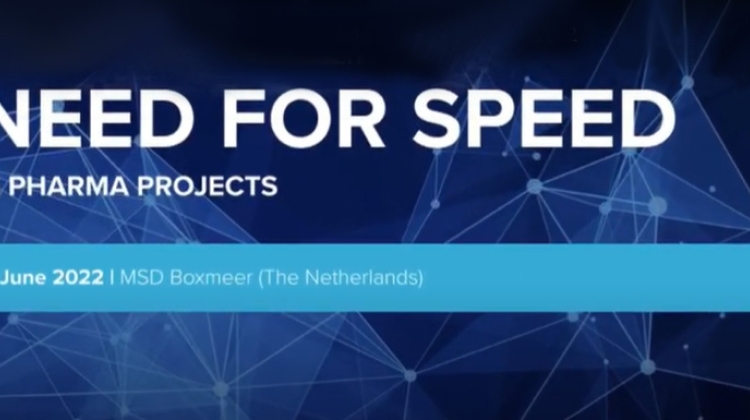
On 16 June 2022, the Project Management Community of Practice Benelux (PM CoP Benelux) hosted the “Need for Speed in Pharma,” event. There were more than 70 attendees at the event from Belgium and the Netherlands which was held at the MSD Animal Health facility in Boxmeer, Netherlands.
In response to Covid-19, the global drug development community has moved faster and further than ever before. The need for accelerated project delivery in pharmaceutical drug development and manufacturing has become a common practice. Experienced Project Management professionals provided real-life examples of the impact of accelerated project delivery on project management and how these examples can be used to improve project execution and delivery timelines. Joris Buffels kicked off the event!
Paul Jansen from the company hosting the event in Boxmeer (MSD Animal Health) described the modular construction of an animal vaccine plant and shared opportunities and lessons learned.
Ronald Warmerdam, James Shovlin, Hans Weverling from Johnson & Johnson shared their experiences on the fast track facility expansion – from 1st pile to EMA approval in exact 12 months for Corona vaccine production.
Marcel Tan presented a new initiative of ISPE Global "Drug shortage" that focuses on the technical, scientific, manufacturing, quality and compliance issues associated with a company’s supply chain and related to its ability to source, manufacture and distribute products that have resulted in drug shortages. We are looking for volunteers to develop this great imitative further locally in the Netherlands. Contact us via info@ispe-events.eu if you would like to take part in it!
Imme Van der Taelen, PhD, PMP (VP R&D PMO at 2 Bridge) shared her view on the need for speed in drug development: beyond the clock. She elaborated on how understanding the WHY for Speed and translating the WHY into WHAT and HOW allows Project Management Professionals (PMPs) to have a valuable impact on Drug development projects.
Patrick De Graeve (UNIVERCELLS) explained us what is speed and how it works versus flexibility. Lack of flexibility for late changes: why would you want to do this so late? He elaborated on the sustainability of a modular facility vs stick built, how to choose contractors, and how procurement strategy influencing your speed of execution.
Panel discussion with all the speakers led by Bart Briers and Trevor Streur concluded the event with in person interaction and Q&A session asked from the audience.
Overall, it was great for all to learn about valuable impact through project context and essence, high-performing teams, sustainable speed, and collaborations in ecosystems.
Thanks to the organizers of the event from ISPE BeNeLux PM CoP:


This event was sponsored by:
- Advirpo
- Ordina
- VTU
- Flow Technology
MSD Animal Health - thank you for hosting and providing the reception to all of us!
The ISPE Project Management CoP Benelux was founded in 2012. The PM CoP Benelux is a mixed group of Dutch and Belgium project management professionals, who organize events throughout the Netherlands and Belgium. The focus is bringing people together and discussing hot topics related to the changing field of project management. They are embedded in a strong ISPE Project Management network. If you are interested in connecting and meeting like-minded professionals.
If you are interested in learning more about upcoming events and activities, register to receive the PM CoP Benelux eNewsletter.
About the Author