
Chris Potter has a degree in chemistry and a PhD in organic chemistry from Imperial College. He worked as an analytical and formulation development scientist for ethical products at Beecham Research Laboratories and moved to Sterling-Winthrop to take management positions in both pharmaceutical and analytical development. During this period, he worked on both ethical and over-the-counter drug development. For the later period of his career, Potter moved to ICI Pharmaceuticals, later Zeneca, then AstraZeneca (AZ) where he had a senior position as manager of Analytical Development, R&D QA and CMC Project Management Group with global responsibility. He finished his career with AZ as Director of External Pharmaceutical Programmes. Potter is a technical advisor for ISPE working on many of ISPE’s regulatory programs. Potter was a member of EFPIA's ad hoc Quality Group from 1996 to 2007, and during this period was EFPIA topic leader for ICHQ6A, Specifications for New Drug Substances and New Drug Products, and ICH Q4B, Regulatory Acceptance of Pharmacopoeial Interchangeability. Potter led EFPIA's PAT Topic Group, which produced a Mock P2 to promote discussion and understanding regarding how ICH topics Q8 and ICH Q9 could be implemented.
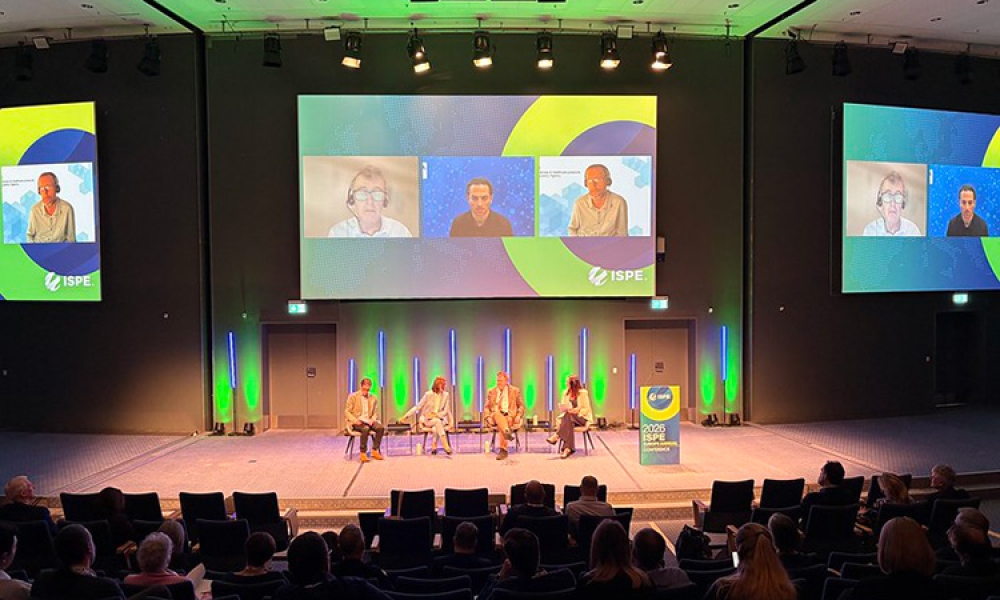
A panel discussion at the 2026 ISPE Europe Annual Conference brought together leading regulators from Europe and the United States to explore how regulatory leadership is evolving amid rapid technological and scientific change.

Platform technology is gaining importance as regulators and industry seek tools to streamline regulatory approaches. In this article, we discuss how organizations might use platform technology in regulatory submissions to improve process efficiency for regulators and industry.
A panel discussion at the 2026 ISPE Europe Annual Conference brought together leading regulators from Europe and the US to explore how regulatory leadership is evolving in an era of rapid technological and scientific change, including digital transformation efforts, GMP modernization, the maturation of quality risk management, and introduction of artificial intelligence (AI). The panel also...
This article presents experiences from seven recent accelerated development program case studies. These experiences provide insights that could help companies progressing through accelerated development programs for products meeting unmet medical needs or significant therapeutic needs, such as those with anticipated Breakthrough Therapy (United States) or PRIME (European Union) designation.
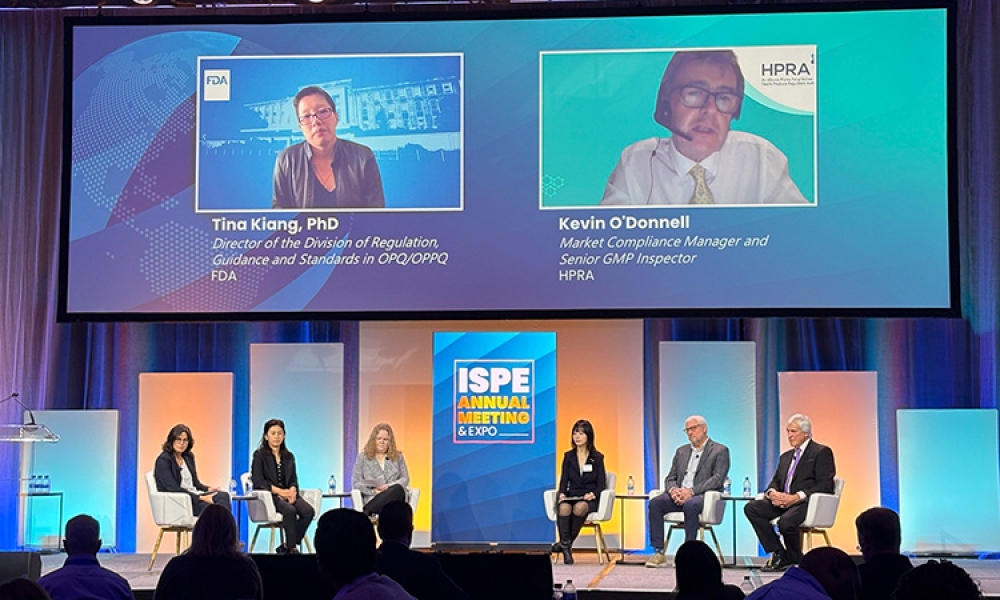
On the final day of the 2025 ISPE Annual Meeting & Expo, regulators and senior industry leaders convened for the Global Regulatory Town Hall—a long-standing and popular feature of the annual event. The discussion focused on the growing impact of digitalization and the increasing use of artificial intelligence (AI) by both regulators and industry. The session featured a mix of pre-prepared...
ISPE successfully assisted Health Canada with International Council for Harmonisation (ICH) Q13 implementation training in virtual sessions with 170 participants.