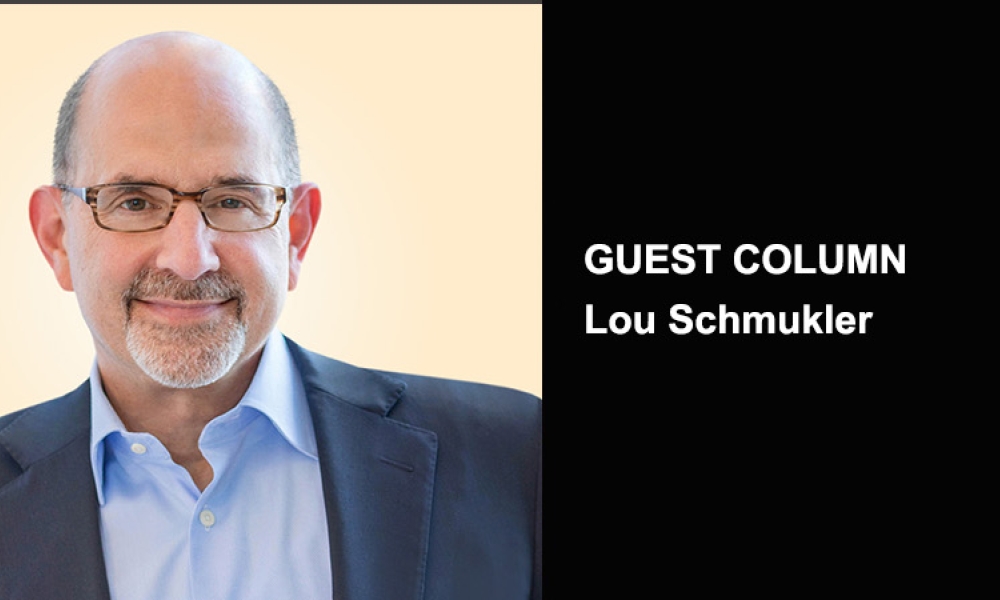
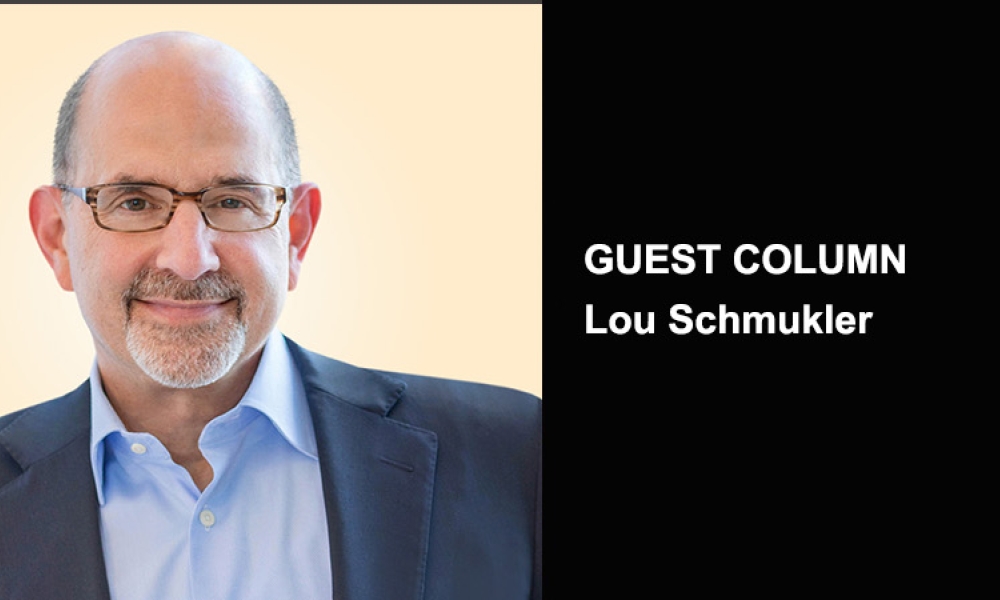
President, Global Product Development & Supply (retired)
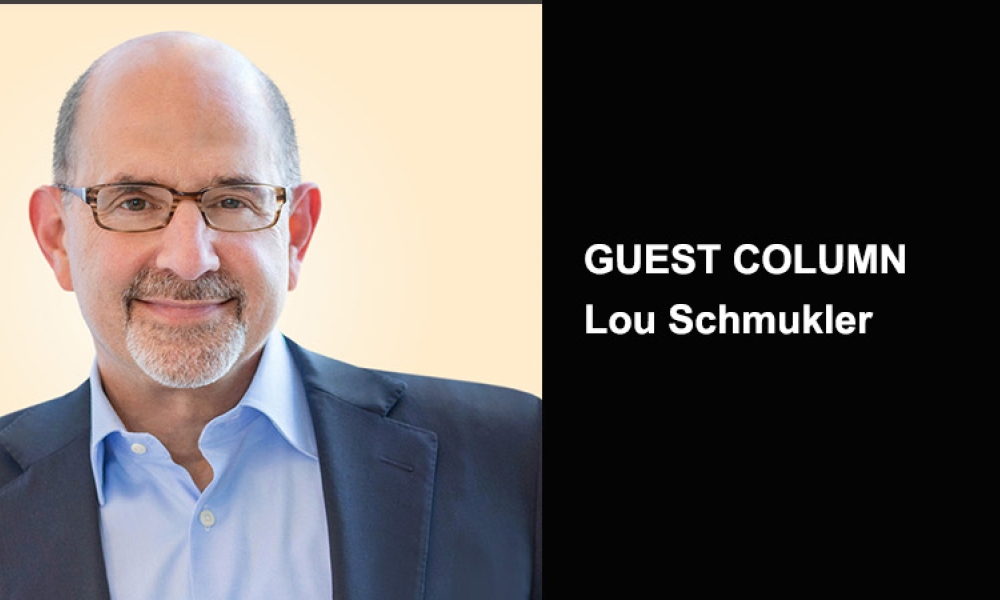
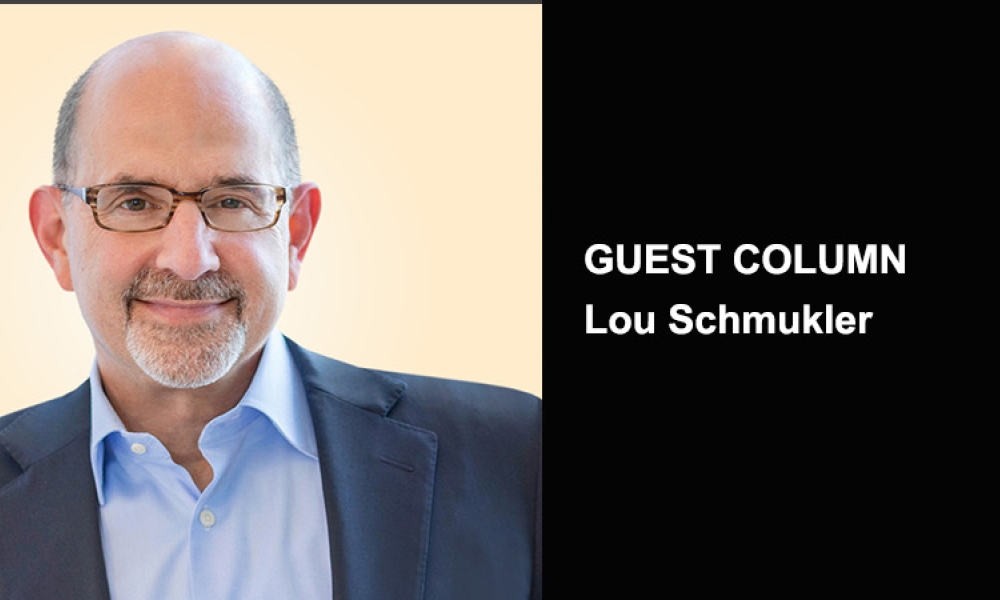
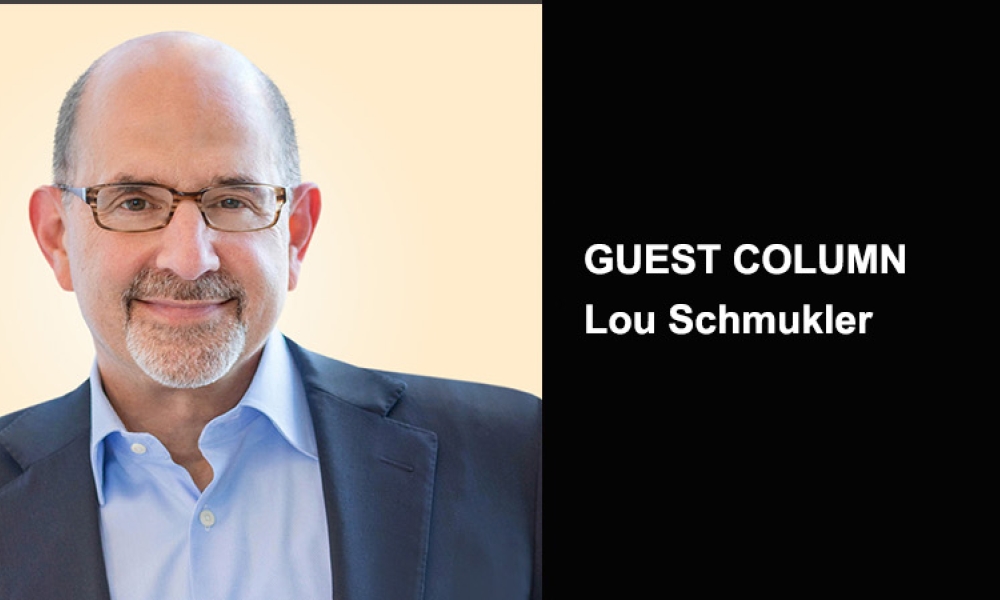
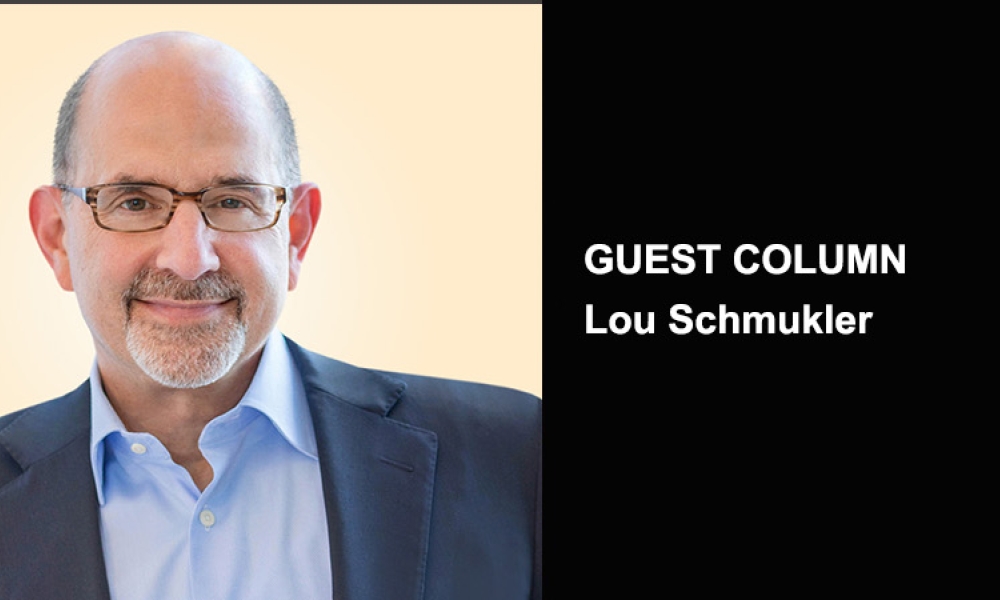
Lou Schmukler served as Executive Vice President and President of Global Product Development and Supply at Bristol Myers Squibb until his retirement. His pharmaceutical industry career spanned over 40 years. He holds a B.S. from Temple School of Pharmacy and M.A. from Webster University.
Renowned psychologist Abraham Maslow wrote in his 1966 book, The Psychology of Science, “I suppose it is tempting, if the only tool you have is a hammer, to treat everything as if it were a nail”. Maslow’s quote comes to mind when considering a leadership approach to managing teams.
New and tenured leaders often struggle with leadership imposter syndrome. It is characterized by feelings of self-doubt and uncertainty, and a lack of confidence, regardless of past successes and accomplishments. So, what can someone do to overcome these feelings and lead fearlessly?
The new manager of the company’s leading biotech facility was facing her toughest challenge yet. Known for her sharp leadership and technical skill, she’d handled complex operations before—but this situation pushed her to the edge, demanding quick decisions, cross-team coordination, and unwavering resilience.
There is a dated leadership model known as the “Great Man” theory. It posits that history has been largely shaped by highly influential and exceptional individuals who, through natural attributes such as superior intellect, heroic courage, and outstanding leadership skills, have had a decisive impact on historical events.
Empowerment is providing employees with the autonomy, tools, and trust to make decisions that impact their roles and the organization. It requires a shift from the more traditional directive or micromanagement style to fostering a sense of ownership and accountability.
Crafting and communicating a vision for the organization is one of the most important and visible jobs of a leader. It is also a difficult job, and executing plans to realize the vision is even more difficult.