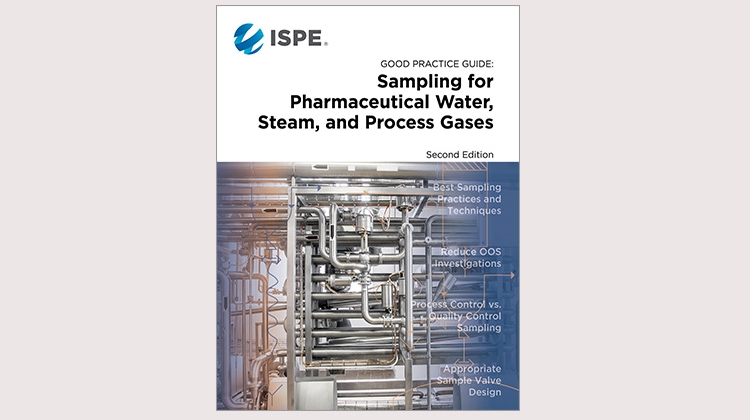
Effective sampling is essential for quality assurance in pharmaceutical manufacturing, particularly within critical utility systems such as pharmaceutical water, pure steam, compressed air, and process gases. These utilities often come into direct contact with products or production environments, making the accuracy and reliability of sampling essential to ensuring patient safety, regulatory compliance, and operational efficiency.
Sampling Complexities and Regulatory Guidance
At its core, sampling involves extracting a small portion of a larger system stream that accurately represents the whole. Although this concept appears straightforward, achieving a truly representative sample is inherently complex. Numerous variables can introduce error, including environmental conditions, sampling techniques, valve design, container types, and transport or storage practices. Even minor deviations in these factors can result in misleading analytical outcomes and compromised data integrity.
The update explains how improper sampling can have significant consequences. A non-representative sample may falsely indicate contamination, triggering unnecessary investigations, costly remediation efforts, and production delays. Conversely, it may mask a quality issue, allowing substandard material to be used in manufacturing. Both scenarios present risks, not only to patient safety but also to a company’s regulatory standing, reputation, and financial performance.
Regulatory bodies underscore the importance of minimizing sampling errors. Guidance from agencies such as the US Food and Drug Administration (FDA) and standards like the United States Pharmacopeia, General Chapter 1231emphasize that improperly collected samples can lead to inaccurate conclusions about system performance. This highlights the need for robust, well-designed sampling programs that prioritize consistency, traceability, and scientific rigor.
A Powerful Alternative to Traditional Testing
A key aspect of effective sampling is understanding its purpose. Sampling typically serves either quality control (QC) or process control (PC) objectives. QC sampling verifies that a utility meets defined specifications at the point of use, often requiring strict adherence to standardized procedures. PC sampling, on the other hand, evaluates system performance at various stages to ensure processes remain in a state of control. Differentiating between these purposes is essential for determining sampling locations, frequencies, and parameters.
Another critical consideration is the distribution of quality attributes within a system. Physicochemical properties such as conductivity or total organic carbon (TOC) are generally uniform, but the same uniformity cannot be assumed for microbial attributes, which may vary significantly between sampling points, highlighting the importance of carefully selecting sampling locations and methodologies.
Modern pharmaceutical operations increasingly rely on real-time monitoring technologies, such as online or at-line analyzers for parameters such as TOC and conductivity. These tools reduce reliance on manual sampling and minimize the risk of contamination or handling errors, providing more reliable and continuous data on system performance. When properly installed, calibrated, and qualified, they offer a powerful alternative to traditional offline testing.
Continuous Improvement Through Sampling
Ultimately, an effective sampling program is built on a risk-based approach. By analyzing historical data and system behavior, organizations can optimize sampling frequencies, refine procedures, and establish meaningful alert and action levels. This continual improvement process enhances data integrity, supports regulatory compliance, and ensures that critical utilities consistently meet required quality standards.
By using best practices and leveraging modern technologies, organizations can reduce variability, prevent errors, and maintain the highest levels of confidence in their utility systems and the products they support. In a highly regulated industry in which product quality is paramount, effective sampling is not merely a technical task; it is a strategic function.
Learn More