Radiopharmaceutical Facility Design and Operation

Radiopharmaceuticals, and particularly Radio Ligand Therapies (RLTs), are transforming cancer care by combining the precision targeting of engineered ligand molecules with the therapeutic power of radioisotopes. As the market accelerates towards significant growth, manufacturers face a unique set of challenges that extend far beyond traditional pharmaceutical operations, from isotope production and radiolabeling to radiation protection, facility design and complex regulatory compliance.
Designed for pharmaceutical engineering, operations and capital project professionals, the paper provides practical insights into balancing patient safety, product quality, operational resilience and regulatory expectations while managing the logistical realities of short-lived isotopes. As the industry advances towards next-generation targeted alpha therapies and theranostic applications, understanding these facility and process design requirements will be essential for organizations seeking to successfully develop, manufacture and scale radiopharmaceutical products.
This whitepaper explores the critical engineering, operational and quality considerations involved in the design and operation of modern radiopharmaceutical manufacturing facilities. It examines the end-to-end RLT production process, available isotope generation technologies, hot cell and containment strategies, radiation shielding requirements, HVAC design, waste management, and GMP compliance frameworks specific to radiopharmaceutical production.
Executive overview
This paper explores the field of radiopharmaceuticals, particularly the area of Radio Ligand Therapies (RLTs), which are a disruptive technology in the field of cancer treatments. RLTs combine the chemical and biological sciences that are the cornerstone of traditional pharmaceutical/biopharmaceuticals products with the destructive power of radioactivity. The global RLT market is estimated to exceed $13B by 20301, showing this to be a significant area for development within the pharmaceutical industry.
This paper provides an overview of the process considerations associated with the different RLT manufacturing approaches, discusses the different technologies associated with each stage of the overall production process, and outlines the key considerations associated with safe operation of a radiopharmaceutical facility.
Introduction: the progression of radiopharmaceuticals
Radiopharmaceuticals is an exciting, highly innovative and unique sector within the pharmaceutical industry that combines pharmaceutical manufacturing with nuclear physics. This brings novel technical requirements; different process and operational safety considerations compared to traditional pharmaceuticals and challenging logistical requirements based on a continuously decaying product.
Radiopharmaceuticals have applications in both diagnostic and therapeutic areas making this a very versatile field. Different radioisotopes are used for these different applications, with the key differences being the type of radiation emitted, the amount of energy emitted, the specific activity, and the half-life. Diagnostic applications are designed to minimize harm to the patient while still achieving effective imaging, and therapeutic isotopes are designed for localized destruction of the target.
The mechanism by which different radioisotopes find their target within the body varies depending on the specific indication, ‘carrier’ (mAbs, small molecule, etc.) and isotope used. Some isotopes can be administered directly, some need to be radiolabeled, and some are labeled with ligand molecules that have been specially engineered to target specific types of cancer cells. Isotopes that are administered directly or undergo general radiolabeling, rely on intrinsic biological or physiological pathways within the body, an example being Iodine-131. The thyroid gland has a natural affinity for iodine and so actively absorbs this material from the blood stream. This paper will primarily focus on the Radio Ligand Therapies (RLTs) where the targeting mechanism is a specially engineered ligand.
A variety of ligands can be used for RLTs which include monoclonal antibodies (mAbs), small molecule Active Pharmaceutical Ingredients (APIs), and synthetic peptides. The ligand is produced through a distinct manufacturing process, typically at a different facility to the RLT manufacturing facility, and this then undergoes a “synthesis” or “conjugation” step to radiolabel the specific ligand associated with the specific isotope into a final drug product. The fact that the targeting mechanism is specially engineered for a specific target, provides greater selectivity potential for the indications associated with RLTs compared to those relying on physiological interactions. RLTs also provides advantages for diagnostics as well as therapeutic treatment. A ligand that has been engineered to target a specific type of cancer cells can potentially be radiolabeled with different isotopes for different purposes, a diagnostic isotope or a therapeutic isotope. The diagnostic approach can be used to accurately image where all the cancer cells are in the body and the therapeutic approach targets those cells for destruction. Delivery with the diagnostic isotope can also be used to assure the effectiveness for the specific patient prior to the therapeutic treatment. This approach is referred to as “theranostics.”
Process overview
The overall RLT manufacturing process involves several discrete manufacturing stages, and the overall manufacturing strategy will potentially involve a combination of outsourcing and onsite manufacturing. The different manufacturing stages associated with the overall RLT process are outlined below and in Figure 1.
- Distinct manufacturing process for the engineered ligand
- Isotope production process
- Radiochemical purification process
- Radiopharmaceutical production (synthesis/conjugation, purification, formulation, and vial filling)
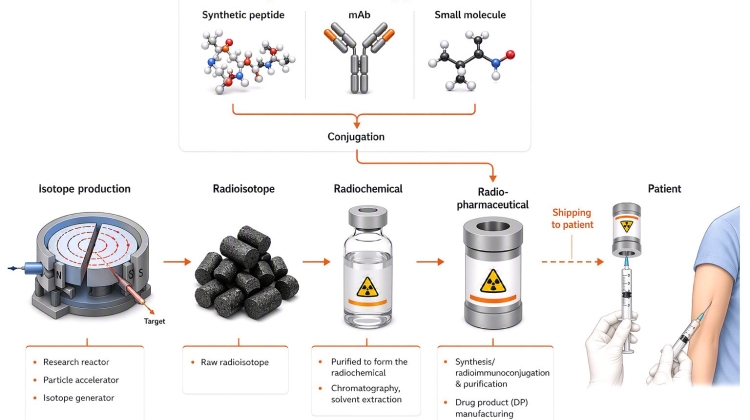
Figure 1: Overview of different RLT manufacturing operations
Different ligands have different properties and interact differently with a patient’s bodily systems. Small molecule and peptide ligands are favored for solid tumor cancers as they have a strong affinity for these targets and achieve good penetration within the tumors at the target sites2. mAb ligands are favored for blood cancers as they have good specificity with these targets and a prolonged circulation in the bloodstream3. The ligands are produced through typical processes associated with small molecule API, peptide synthesis, and mAb manufacturing operations. The manufacturing scale associated with the ligand manufacturing processes is significantly larger than that of the RLT, and therefore the process and facility design requirements are quite different. The ligands are therefore typically produced at different facilities to the associated RLT, potentially outsourced by the RLT manufacturing company.
There are several different methods for producing radioisotopes, which include nuclear reactors (research reactors), accelerator-based technologies, and isotope generators. The specific technologies are discussed further below. The decision on which approach to select for a specific RLT is based on several considerations:
- Reactor based production methods are the traditional method of production, but this approach means that the isotope material needs to be outsourced, and global capacity is limited, therefore creating risk to the supply chain. There are also potential geopolitical issues with this approach regarding use of Highly Enriched Uranium (HEU) and non-proliferation.
- The specific isotope being produced will affect the production method with certain accelerator technologies being more appropriate than others for different isotopes.
- Production using the isotope generator approach is also limited to specific isotopes.
- Production yield and specific activity considerations, specific activity being the radioactivity per gram. A higher yield may be achievable with either a reactor or an accelerator, this depends purely on the process.
- An accelerator system can potentially be installed at the RLT facility, but the high capital cost may be a limiting factor.
All radioactive materials have an associated half-life, and the length of this half-life varies depending on the isotope. Once an isotope has gone through a half-life decay cycle, half of the atoms associated with that isotope have transformed into a different, more stable isotope form, therefore the quantity of the original isotope present is reduced by half. This fact presents a unique challenge within the pharmaceutical industry because it means that the isotope of interest is continuously decaying from the moment of production. A common analogy within the industry is that the isotope is like handling a “melting ice cube”, because there is a limited time for which the original isotope is viable, and once this period has expired, insufficient material remains. Each patient dose therefore needs to be carefully calibrated at administration time based on the overall time associated with the manufacturing process and the logistical considerations associated with any outsourced work and the shipping time to the patient.
The radioisotopes used for RLT therapies emit different types of radiation – primarily Alpha, Beta, and Gamma radiation, which each have different energy and or particle sizes, different shielding and safety requirements (on external radiation, inhalation/ingestion), and different localized destructive effects. The latest advancements in radioisotope production for RLTs is a trend towards the powerful Alpha particle emitters, which are capable of double stranded DNA breaks and are therefore highly destructive to tumor cells. Table 1 provides an overview of some of the isotopes associated with RLT products (both commercially approved and currently in development), along with the primary radiation type and approximate half-life.
Table 1: Example radioisotopes associated with RLTs4.
| Radioisotope | Primary radiation | Half life |
|---|---|---|
| Radioactive Iodine (I-131) | Beta particles | ~8 days |
| Lutetium (Lu-177) | Beta particles | ~6.7 days |
| Radium (Ra-223) | Alpha particles | ~11.4 days |
| Actinium (Ac-225) | Alpha particles | ~10 days |
| Lead (Pb-212) | Beta particles (Alpha daughters) | ~10.6 hours |
| Bismuth (Bi-213) | Alpha particles | ~46 minutes |
| Astatine (At-211) | Alpha particles | ~7.2 hours |
The unique challenges associated with RLT manufacturing outlined above, combined with the radiation safety considerations, lead to limitations in the manufacturing scale associated with these isotopes. The radiopharmaceutical production process is typically a benchtop scale operation, with the therapies either being produced to order, or manufactured in small batches for a specific patient population. Figure 2 shows a high-level block flow diagram for an example RLT process.
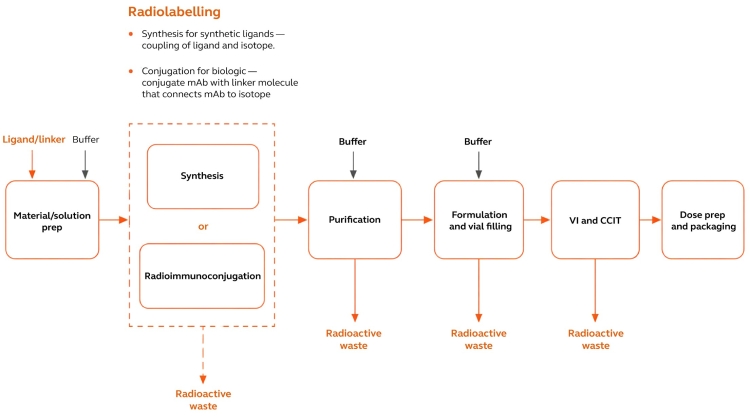
Figure 2: Example RLT process block flow diagram
Process technology and facility design
Radiopharmaceutical manufacturing processes involve handling of radioactive materials which introduces significant safety requirements for the process technology and facility design. The main process technologies and key radiation safety design requirements are outlined in this section and the approach to undertaking specific shielding and occupational dose assessments is discussed further in this paper.
Nuclear research reactors are the traditional method of radioisotope production and are still favored for isotope materials such as Lutetium-177 (Lu-177). Alternative approaches to reactor-based production are desirable where possible however, due to security of supply chain risks. Where an isotope can potentially be produced in either a reactor or an accelerator, there will be differences in the purity profile and specific activity of the isotope produced.
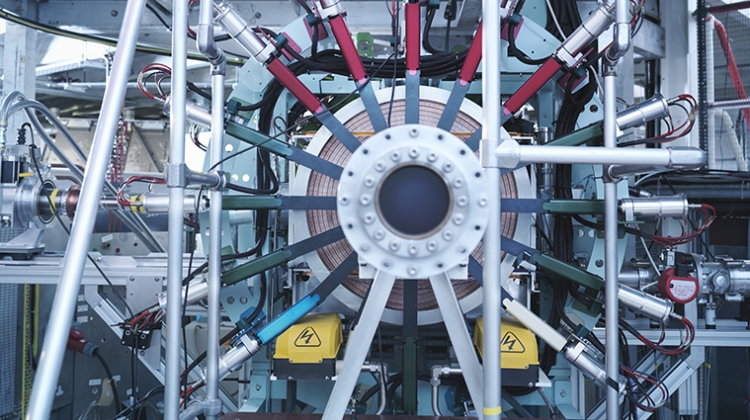
If the RLT facility includes the isotope manufacturing system, then this is likely to be an accelerator-based technology or an isotope generator. Particle accelerators accelerate specific types of particles to very high speeds which then bombard the “target” material, causing localized nuclear reactions at the point of impact. The “target” typically being a stable non-radioactive element that the radioactive isotope is produced from. The specific radioisotope produced depends on the target material used, the type of particle and the amount of energy of the particle that it is bombarded with, and different technologies favor different types of isotope production. The different approaches also have different radioactive waste generation considerations. The different technology options are outlined below:
- Cyclotrons are charged particle accelerators that accelerate particles in a circular motion, using a combination of electrical and magnetic fields. Cyclotrons favor e.g. protons as the specific particle used to bombard the target5. The proton particles start in the center of the system and gather speed as they progress through circular channels to the outer region of the system where they form into a targeted proton beam focused on the target. Cyclotrons are strongly associated with PET isotope production. SPECT isotopes may be reactor-, generator- or accelerator-produced depending on the isotope. Cyclotrons can also produce therapeutic isotopes.
- Linear accelerators or linacs come in different types – like proton and electron accelerators. Linacs accelerate the particles in a straight line into a focused beam using alternating electromagnetic currents5. This technology can be built in modules with additional length increasing the energy of the charged particles used to bombard the target. This type of technology will therefore potentially require greater spatial requirements than a cyclotron but can be beneficial for production of high energy isotopes used in targeted alpha therapy.
- Rhodotrons use electrons to produce high energy gamma rays to bombard the target. These systems are compact units where the particle acceleration process has similarities to both Cyclotrons and Linacs. Rhodotrons have reduced spatial requirements compared to Linacs and can be used to produce similar high-energy isotopes such as Ac-2256.
- Isotope generators produce the isotope of interest on a continuous basis through the decay of a parent isotope. The parent isotope has a long half-life and the daughter isotopes produced as it decays typically have short half-lives, a common application of these daughter isotopes being medical imaging for diagnostics. The parent isotope is typically loaded onto a column, and the daughter isotopes generate on the surface of the column as the parent decays. The daughter isotopes are “eluted” from the column using a suitable buffer solution (also referred to as “milking the cow”). Lead-212 (Pb-212) is an isotope that shows promise for targeted alpha therapy (several candidates currently in clinical trials). Pb-212 is commonly generated through this method using Radium-224 (Ra-224) as the parent isotope.
- Certain isotope generators also produce the daughter isotope of interest in gaseous form as the parent decays. In this type of system, the gaseous isotope is extracted using a suitable carrier gas stream and transferred directly to the patient for medical imaging purposes. An example of this type of generator is Krypton-81m (Kr-81m) gas produced from the decay of a Rubidium-81 (Rb-81) parent isotope, used for imaging of a patient’s lungs7. Kr-81m has a very short half-life (less than a minute), which is why the daughter needs to be transferred directly to the patient following extraction from the column supporting the parent.
The manufacturing operations associated with radiochemical purification and radiopharmaceutical manufacturing are typically benchtop scale manufacturing processes. The specific process operations associated with these process steps varies from process to process with the use of common production techniques such as chromatography and vial filling, as well as specialist technology such as automated synthesis units.
These process steps all involve handling of the radioactive material. These steps are typically carried out in a hot cell isolator, which serves to protect both the product and the operations staff. The internal environment of the isolator is managed in a similar way to a typical pharmaceutical isolator system used for aseptic processing, but the hot cell is heavily shielded with lead and steel to protect the operators from exposure to radiation. Operations within a hot cell are typically carried out through robotic systems or using manipulator arms and any windows are small and constructed from lead impregnated glass. The thickness of the shielding associated with the hot cell is dependent on the specific material being handled within (see next section for further information on shielding requirements).
The redundancy strategy for a radiopharmaceutical facility is critical to ensure continuation of production in the event of unforeseen issues such as a spillage of radioactive material in a hot cell. Contamination of the internal environment of a hot cell through spillage of process material is more significant than for other pharmaceutical products due to the radiological hazard. Cleanup/decontamination procedures are more rigorous and require prolonged downtime therefore potentially having a significant impact on the production operations associated with the specific hot cell where the spillage occurred. The capacity analysis for the manufacturing facility should therefore consider having a minimum of two or more full production (hot cell) trains to mitigate the risk of extended downtime due to spillage and as storage of the drug product typically is not possible. The redundancy strategy should also consider duty/standby arrangements for all critical components, such as the Air Handling Unit (AHU) fans.
The Drug Product (DP) produced in RLT processes is filled into vials for delivery to the patients. These vials need to be visually inspected for defects in the same way as other non-radioactive DP materials. Visual Inspection (VI) of the DP vials has two main challenges compared to other pharmaceutical products – a lack of availability of fully automated systems for small scale batch sizes and handling of the vials given the radioactive nature of the material. The VI activities can be carried out within the hot cell using a camera-based inspection system. This type of system can be used in conjunction with robotics to position each vial in front of the camera, which can be trained using Artificial Intelligence (AI) and Machine Learning (ML) applications to monitor for defects without human intervention. Any rejected vials will be transferred into a reject bin within the hot cell.
The benchtop scale manufacturing process leads to reduced process utility requirements compared to a typical pharmaceutical/biopharmaceutical manufacturing facility. The buffer volumes associated with each applicable process step are small and at least some of the buffers are likely to be purchased “ready to use”, therefore minimizing the solution prep activities that need to be carried out on site. Due to the limited Water for Injection (WFI) requirements in the production operations, the optimum approach will potentially be to purchase sterile WFI to support any solution/buffer prep requirements. A purified water or small ambient WFI system will be required for make-up of cleaning solutions for the manufacturing suites and to supply the Parts Washer (PW) and Autoclave (AC) used to clean and sterilize the non-product contact tooling used in the hot cells.
The layout of an RLT facility needs to consider certain critical adjacencies for optimized material flows, with specific radiation safety requirements associated with each area. Figure 3 shows an example adjacency diagram for an RLT facility and the key layout considerations are outlined below:
- Isotope production is the area of the facility where the highest levels of radiation will be produced. The specific manufacturing area is referred to as the “vault” and the room where the isotope production system is installed is contained through construction of thick concrete walls and ceiling (e.g. 2 m thick). The license requirements associated with operating a radiopharmaceutical facility will have stipulations regarding the allowable radiation levels at the site boundary. This area should therefore be constructed away from the boundary line, closer to the center of the site. This area should ideally be in reasonable proximity to the radiopharmaceutical production area to facilitate direct transfer of the isotope material into a production hot cell via a lead shielded pneumatic tube system.
- An RLT process involves Drug Substance (DS) and DP stages. The Synthesis and purification steps are the DS process, and these can be carried out in a Grade C environment. The formulation and filling steps are a sterile DP process and therefore must consider similar requirements to other sterile DP facilities from a contamination control perspective, to ensure the quality of the final DP. Manufacturing operations shall be carried out in hot cells installed in graded manufacturing suites (typically Grade C but potentially Grade D as the hot cells can be designed as closed isolators). The nature of the manufacturing process – small scale and time sensitive, involves a high level of interaction between the storage, shipping/receiving areas and the production area. It is therefore desirable for the production area to have a reasonably close adjacency with the Warehouse/Logistics area for efficient material flow.
- The Warehouse area will contain radiological and non-radiological materials and will therefore need to consider containment, shielding and segregation of these materials. Storage of the isotope material is typically in lead shielded boxes in a dedicated room, and the storage room can have lead lined or concrete walls. The other incoming materials will include the ligand material, buffer components/solutions, and single-use consumables used in the production operations. The DP staging and tertiary packaging areas will potentially also be in the warehouse area. Each DP vial will be contained in a lead pig for shipping, and the lead pigs will be loaded into Type A shipping containers. The sizing of the staging and packaging areas needs to consider the production capacity, maximum possible storage time, and daily shipping requirements.
- The consumables waste produced by the manufacturing process will be radioactive and needs to be stored on site until the radioactivity has decayed to a sufficient level. The radioactivity level of the waste material will be tested prior to release; this activity is carried out in the radioactive waste handling area. The radioactive consumables waste will be held in e.g. shielded waste containers, and the storage area can be constructed with thickened concrete or lead lined walls for shielding purposes. The waste storage area is advised to be located away from the site boundary with the optimum location being in a basement level, directly below the main production area for shielding or distance purposes reducing dose.
- The QC laboratories should be separated from the main production area but have an adjacency to production for ease of transfer of samples to minimize manual handling of the sample materials which will be radioactive. The radiation protection requirements for the laboratories are typically reduced from those in the production areas, as samples are a small aliquot of the batch, but handling of samples will still require certain precautions. Samples should be handled in e.g. BioSafety Cabinets (BSCs) specifically designed for radiopharmaceutical applications, which include integrated shielding and lead impregnated glass for the sash window. Shielded manual tools should also be used by lab technicians when working within the BSC.
The discussion points above highlight that the shielding requirements associated with safe operation of an RLT manufacturing facility require significant quantities of lead, concrete or even tungsten. This makes equipment very heavy and structural reinforcement considerations significant.
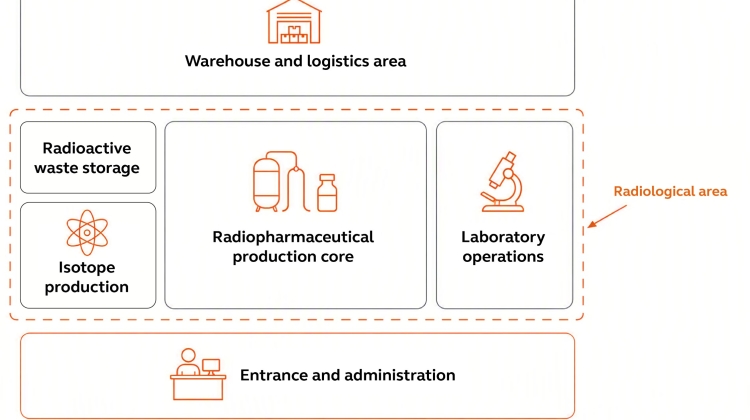
Figure 3: Example RLT facility adjacency diagram
Radiation protection requirements
Radiopharmaceutical facilities need to operate in compliance with comprehensive regulatory frameworks and license conditions (see section 6 for a detailed discussion on this topic). There are two main aspects associated with radiation safety for radiopharmaceutical facilities:
Containment and shielding requirements: Materials used specifically to contain and prevent egress of radioactivity and their associated thickness. These materials include lead sheets and thickened concrete. Different isotopes emit different types of radiation, each of which have different penetrating capabilities (see figure 4).
Occupational dose: The allowable exposure limits for operators working at the facility with respect to annual exposure to radiation. The shielding design for the equipment and the facility, combined with the operators’ work plans needs to ensure that the allowable occupational dose limits are not exceeded. The ALARA (As Low as Reasonably Achievable) principle needs to be followed to get as low as reasonably possible dose.
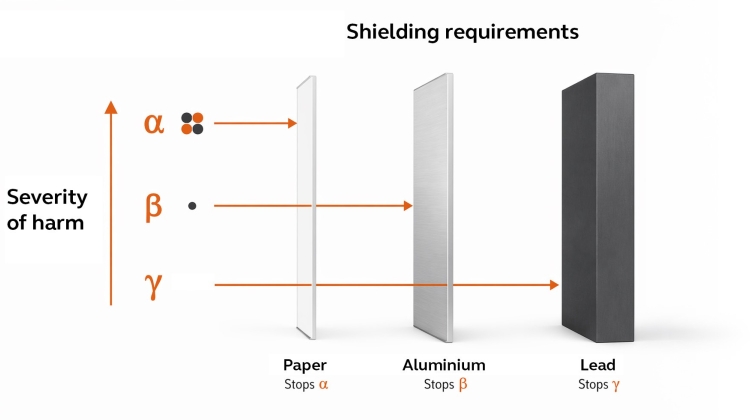
Figure 4: Types of radiation and the associated shielding requirements8.
It can be seen from figure 4 that the larger radioactive particles, the most destructive particles, require the least amount of shielding. But there are several factors that need to be considered when carrying out a radiation protection assessment, not just the requirements to shield the core type of radiation during normal operation/handling:
- The full isotope inventory to be handled at a facility needs to be determined taking the main isotope, as well as impurities and decay products into account. If the facility is to be designed for multi-product operation, then different products may have different isotopes with different radiation emissions. The storage areas and manufacturing equipment needs to be designed for handling of the worst-case isotopes.
- The route of manufacturing of the specific radioisotopes may determine the raw isotope profile and therefore the associated impurities, each of which will potentially have a different radiological profile. The full profile needs to be understood to specify the shielding requirements correctly.
- The decay profile of the radioisotope needs to be properly understood because the radiation profile will change as the original material decays and daughter isotopes are produced.
- The radiation protection measures need to consider the risk of material release in case of a spillage and protect operators against exposure to aerosols or dust particles.
The different measurement units associated with shielding and dose assessments are Becquerel (Bq) and Sievert (Sv). Becquerel is used to measure the level of radioactivity emitted by a specific radioisotope and Sievert is a measure of the effect of that radiation on biological material (i.e. the human body). The shielding assessment needs to consider the occupational dose rate externally to the equipment or area being shielded. The calculated thickness of the shielding, based on a specific material used, needs to ensure that the dose rate in the surrounding area is less than the determined maximum value taking ALARA into account.
The HVAC system also needs to be designed with consideration to segregation and prevention of egress of radioactive materials. The main design principles associated with designing an HVAC system for a radiopharmaceutical facility are:
- Once through air for the main radiological zones to ensure no risk of recirculation of radioactive particles.
- Each exhaust shall include duty/standby filter arrangements that will consist of a pre-filter, an activated carbon filter for removal of gas or aerosol components and a HEPA filter for removal of particulates if/where needed.
The pressure profile associated with the radiological areas is a key aspect of the containment strategy for these areas. The containment strategy needs to consider both GMP and containment requirements, these principles often perceived as being counterintuitive. The typical pressure profile for a Grade C manufacturing area is to have an outward air flow pressure cascade, with the highest pressure in the manufacturing suite, thus protecting the manufacturing suite from ingress of contamination from lower grade areas. Containment favors having a negative pressure in the manufacturing suite which creates the risk of contamination of the Grade C environment through ingress of air from the lower grade surrounding areas. Both factors need to be considered when determining the most appropriate strategy.
This is a complicated issue from a regulatory perspective for aseptic manufacturing operations. The Eudralex Annex 1 identifies that pressure regimes may need to be modified where containment of hazardous materials is required but suggests any negative pressure areas should be related to the airlocks and not the main manufacturing area. Annex 1 states “where containment requires air to flow into a critical zone, the source of the air should be from an area of the same or higher grade”9. The Eudralex Annex 3 (GMP Requirements for Manufacture of Radiopharmaceuticals) states “for manufacture of radiopharmaceuticals a risk assessment may be applied to determine the appropriate pressure differences, air flow direction and air quality” for sterile production10. The regulations therefore provide a basis for a risk-based approach to pressurization of the manufacturing suite.
Two potential strategies for achieving a suitable level of containment from a radiation protection perspective while also protecting the GMP environment are outlined below:
- Operation of the manufacturing suite at negative pressure: This approach achieves effective containment of the manufacturing suite because all airflow is contained within the production area. The risk of ingress of uncontrolled air from the interstitial space through leakage can be mitigated through designing the cleanroom to a higher “tightness specification” than that of a standard cleanroom. Robust protection of surrounding areas while also preventing ingress from a Controlled Non Classified (CNC) circulation corridor can be achieved through having a bubble/sink arrangement in each of the two stage airlock transitions between the corridor and the cleanroom.
- Containment of the manufacturing area: This approach maintains the typical pressure profile associated with a GMP manufacturing area, where the manufacturing suite environment is controlled to the highest pressure with an outward pressure cascade. This arrangement facilitates an outward pressure cascade while also providing a protection barrier at the outer airlock. The CNC circulation corridor should then be operated at a negative pressure to provide a containment ring around production area. The area above the manufacturing suite should also be operated at a negative pressure to contain any air leaking into this space through the cleanroom ceiling.
Regulatory compliance framework
The main GMP regulatory guideline governing the manufacture of radiopharmaceuticals in Europe is the Eudralex Volume 4, Annex 3. The current revision of this guideline was brought into effect in 2009, but with the expansion of this industry sector, a concept paper was developed to outline the gaps in this guideline, and a new revision of the guideline is expected to be published towards the end of 202611.
An RLT manufacturing process can be broken down into different defined stages each with different GMP requirements. The isotope production operations do not involve any biological components therefore contamination control with respect to biological contamination is not of specific concern, decontamination of potential spills is, hence a CNC, basically a cleanable, environment is sufficient. The synthesis or radioimmunoconjugation, and the purification steps are considered a Drug Substance (DS) process and therefore the environmental control around these operations can align with typical DS operations – Grade D or Grade C depending on the level of process closure. The final formulation and filling steps are DP operations and therefore aseptic processing in compliance with the EU Annex 1 (or equivalent) is required.
The short half-life associated with radioisotopes used for RLT results in challenges with respect to normal QC release testing procedures, particularly in relation to sterility testing which can take 7–14 days depending on the specific test procedure. Waiting for the sterility test results prior to release of the DP from the facility is not practical for these radiopharmaceutical products as waiting this period risks the DP being ineffective by the time it is administered. The regulations therefore allow for a risk-based DP release approach provided a suitable risk assessment has been undertaken and documented. As the sterility test results may only be available after administration to the patient, a rigorous risk assessment with robust justification for this approach is required.
It is not just the manufacturing process that is subject to rigorous oversight however, there are also strict regulations governing the packaging and transportation of nuclear medicines, as these are radioactive products. The regulations associated with transportation of radioactive materials are specific to each country, with the ADR regulations applying for transport in Europe. The standard for safety during transportation enforced by the local regulations is established using the guidance outlined by the International Atomic Energy Agency (IAEA).
Conclusion
Radiopharmaceuticals bring great promise and unique challenges for the pharmaceutical industry. Radiopharmaceuticals have a variety of applications with RLT being a disruptive technology for cancer treatment. The combination of specially engineered ligands with destructive isotopes, leverages the capability of traditional pharmaceutical/biopharmaceutical products and harnesses the power of radioactivity to provide alternatives to toxic chemotherapy treatments.
This sector is not without its challenges with the logistical considerations associated with short half-lives; and the significant safety considerations associated with protecting the manufacturing personnel, people/population and the environment around the facilities. This industry sector is however a growth area with more than 100 candidates currently in Phase 2 and 3 clinical trials12 and more in development. Development of new isotope technologies, particularly for targeted alpha therapy, will continue to advance this field.
About Arcadis

Arcadis is a leading global partner, delivering some of the most transformative projects with businesses, cities and industries. With 34,000 people active in more than 30 countries, we bring together the best minds from around the world to deliver intelligent products and solutions across the environment, energy, water, buildings, transport and infrastructure sectors.