Knowledge management efficiently handles information and resources within a commercial organization. The purpose of knowledge management is to share perspectives, ideas, experiences, and information; to ensure the information is available in the right place at the right time to enable informed decisions and to improve efficiency by reducing the need to rediscover knowledge. Knowledge management consists of three areas: accumulating, storing, and sharing knowledge.

iSpeak Blog
From Checklist to Culture: Uniting Quality Risk Management (QRM) and Knowledge Management (KM) for Supply Reliability: A Joint Discussion on QRM and KM
In an era of increasingly complex global supply chains and heightened regulatory scrutiny following…

iSpeak Blog
From Digital Transformation to Human-Centric Manufacturing: Designing Collaborative Workspaces for the Future of Pharma
"Technology should not replace people—it should empower them." The pharmaceutical industry has made…

iSpeak Blog
Five Questions Quality and Regulatory Teams Should Ask Before Treating a Regulatory Update as “Actionable”
Quality and regulatory teams face a constant stream of external signals: draft and final guidance…
iSpeak Blog
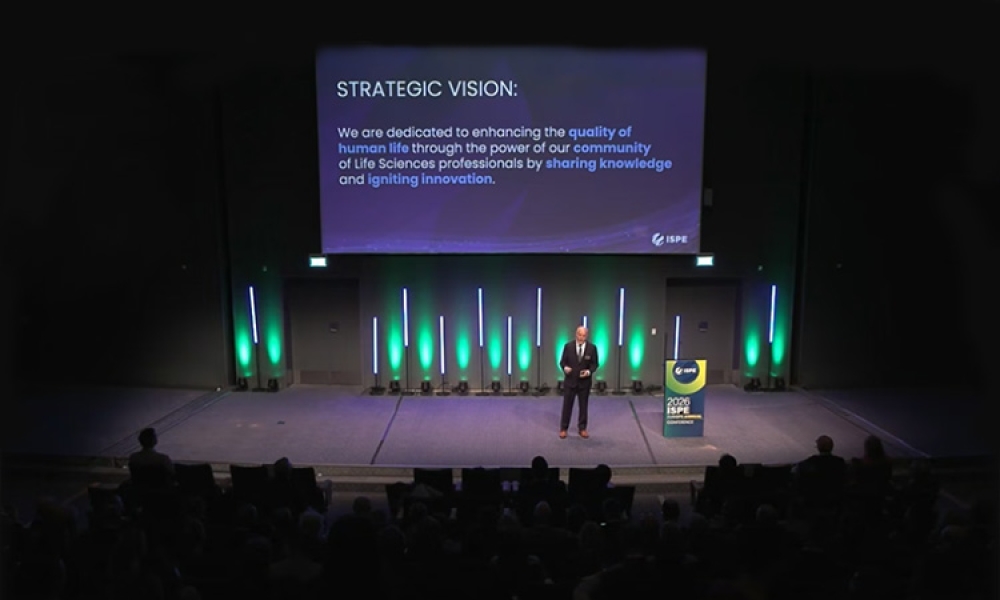
Advancing ISPE’s Strategic Vision: Integrity, Collaboration, and a Shared Purpose
The 2026 ISPE Europe Annual Conference in Copenhagen, Denmark, this past April brought together…

iSpeak Blog
How the ISPE Academy Quality Management Maturity (QMM) Certificate Program Was Designed and Why Quality Culture Matters More Than Ever
In today’s pharmaceutical manufacturing environment, organizations are expected to do more than…

iSpeak Blog
Is Process Development Really GMP?
Perhaps we're asking the wrong question. Current Good Manufacturing Practice (GMP) regulations…
iSpeak Blog
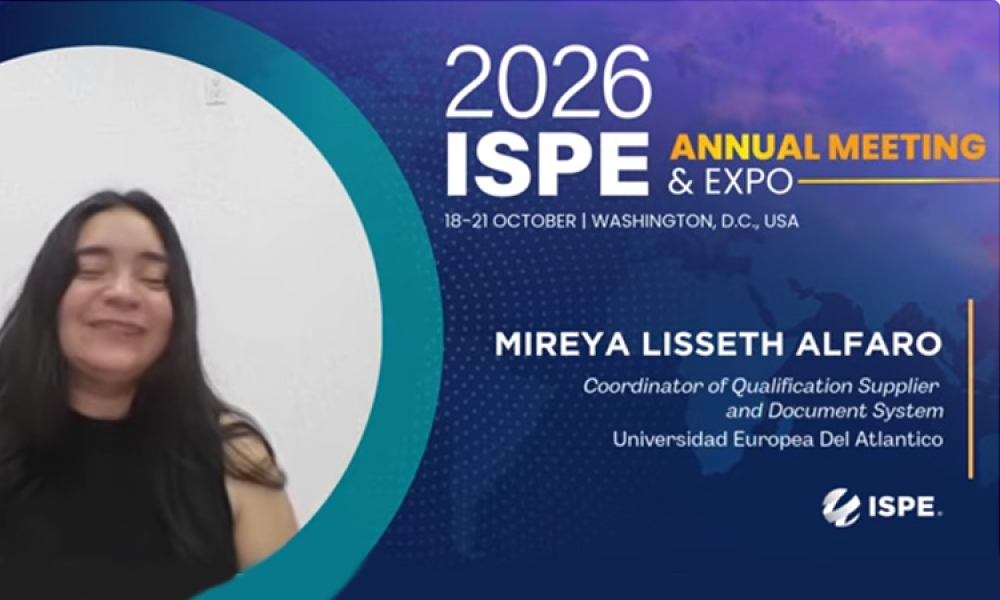
Insights from Mireya Lisseth Portillo Alfaro, 2026 ISPE Annual Meeting & Expo Emerging Leader
The future of the pharmaceutical industry will be shaped by more than technology, regulations, and…
News
SmartBrief Cover’s ISPE’s Release of the ISPE Guide: Quality Risk Management
Drug shortages have risen markedly over the past 20 years, reaching unprecedented levels. Large…
PE Articles
Strengthening Quality and Supply with Effective Risk Management
The new ISPE Guide: Quality Risk Management provides practical direction on applying QRM principles…

iSpeak Blog
Building a Community, Shaping the Future: Celebrating the Official Launch of the ISPE Greece and Cyprus Affiliate
After three years of volunteer-driven effort, the ISPE Greece and Cyprus Affiliate officially joins…

iSpeak Blog
The Expertise Question that Artificial Intelligence (AI) Cannot Answer
Imagine 20 years into the future.
iSpeak Blog
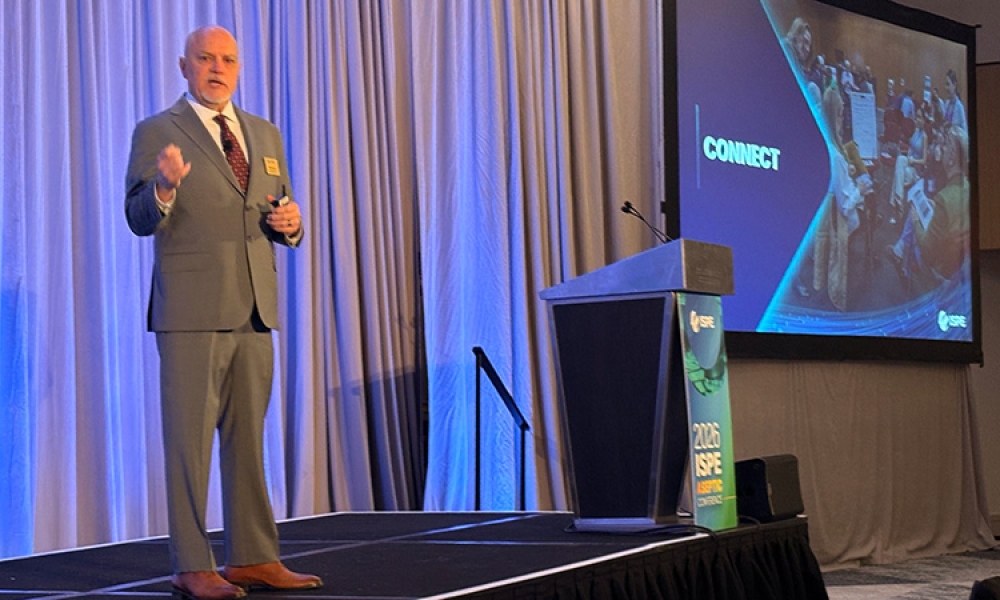
From Exploration to Action: Accelerating “Connect” at the 2026 ISPE Aseptic Conference
I believe that ISPE is not just an organization. It is a global community united by a shared purpose…
Join the Conversation
As an ISPE member you can engage with 22 active CoPs, including new communities focused on Artificial Intelligence and Sustainability. Connect with experts and join the conversations: Become an ISPE member
ISPE members: Get more involved by volunteering.
Guidance Documents
Data Integrity (2)
Knowledge Management (9)
- ISPE Guide: Quality Risk Management
- ISPE Good Practice Guide: Pharma 4.0™ – Holistic Digital Enablement
- GAMP RDI Good Practice Guide: Data Integrity by Design
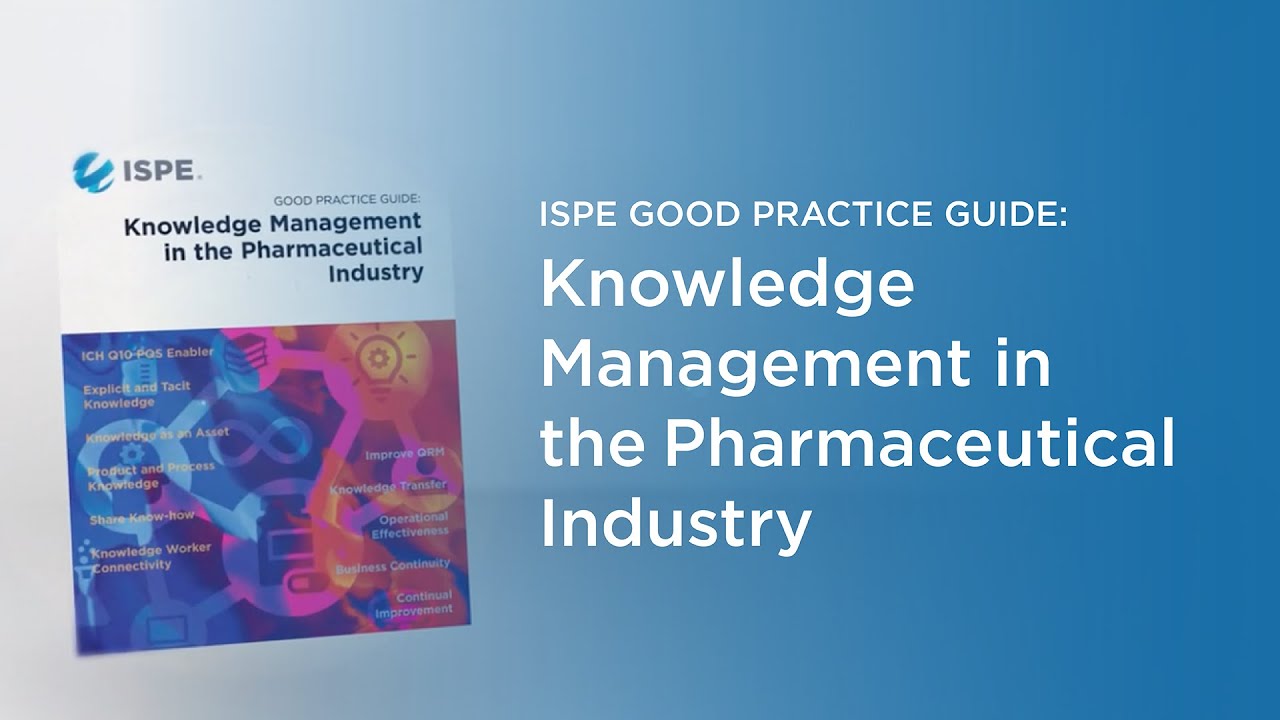
- Good Practice Guide: Knowledge Management in Pharmaceutical Industry
- APQ Guide: Cultural Excellence
- APQ Guide: Process Performance & Product Quality Monitoring System (PPPQMS)
- APQ Guide: Change Management (CM) System
- APQ Guide: Management Responsibilities & Review (MRR)
- APQ Guide: Corrective Action & Preventive Action (CAPA) System
Lifecycle Management (2)
Process Analytical Technology (1)
Quality Assurance (4)
Quality by Design (1)
Community Discussions
Community Discussions
Mar 18, 2026
Data Integrity
Mar 12, 2026
Mar 11, 2026
Data Integrity
Mar 11, 2026
Advanced Therapy Medicinal Products
Biotechnology
Mar 05, 2026
Webinars
iSpeak Blog Posts

Pharmaceutical Engineering Magazine Articles
Strengthening Quality and Supply with Effective Risk Management
The new ISPE Guide: Quality Risk Management provides practical direction on applying QRM principles…
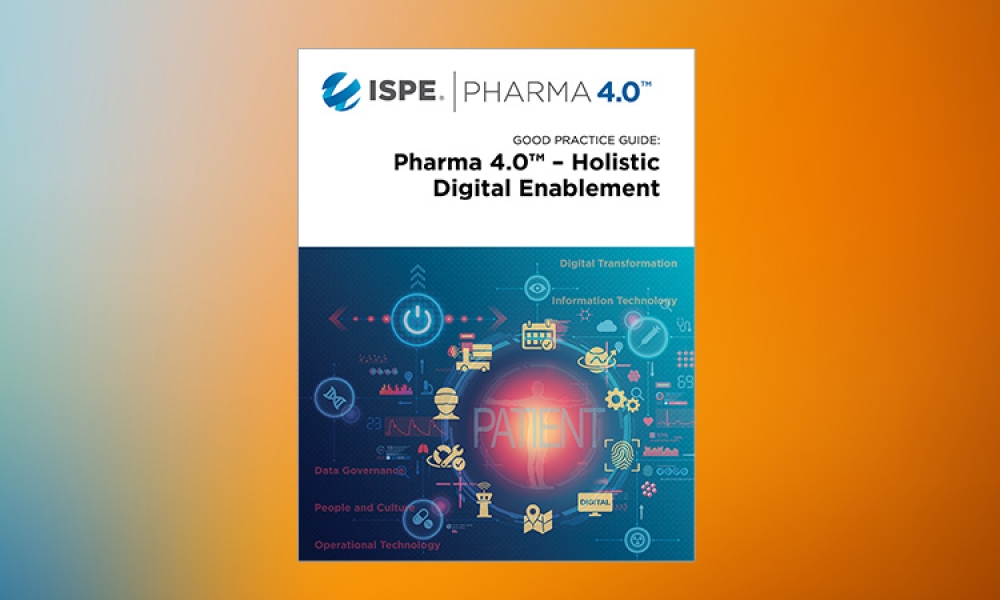
Pharma 4.0™: A Holistic Blueprint for Digital Enablement
What if your next digital investment did not deliver the transformation you expected? For many…

Content Addressability in the Future of Knowledge Management
Data integrity drives quality and compliance. Content addressable storage (CAS) stores and retrieves…

Process Architecture and Integrated Design in the Pharmaceutical Sector
Large engineering companies specializing in the industrial production sector have increasingly been…

ISPE 2022 Member of the Year: Martin Lipa - An Advocate for Knowledge Management
When nominating Martin (Marty) Lipa, Executive Director, Knowledge Management, Merck & Co. Inc., for…

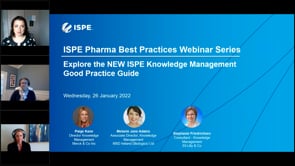
Webinar: Knowledge Management Insights and More
On 26 January 2022, representatives of the author team for the ISPE Good Practice Guide: Knowledge…

Knowledge Centers Improve Knowledge Capture and Sharing
As the industry experiences significant changes to the way we do business, knowledge capture and…

Effective Knowledge Management in Mergers and Acquisitions
As the pharmaceutical industry continues to grow and evolve, a significant contributor to innovation…

From Data to Knowledge Management: What to Consider
Although data and knowledge are both stand-alone disciplines that need to be systematically managed…

Integrating Knowledge Management and Quality Risk Management
ISPE held an Expert Xchange on 18 January 2022 entitled “Risk-Based Decision Making: Advancing the…
Videos



Professional Development Training
Commissioning and Qualification Microlearning: Periodic Review
The "Periodic Review" section of the Science & Risk-based Commissioning and Qualification (T40) training course examines how periodic review supports the continued maintenance of systems in a validated and qualified state. Participants explore the regulatory expectation that systems remain suitable for their intended purpose through lifecycle controls such as change control, maintenance, calibration, deviation management, and performance monitoring. The module also introduces a risk-based approach to determining periodic review frequency, including the use of review categories based on system…
Commissioning and Qualification Microlearning: Process Control and Automation
The "Process Control and Automation" section of the Science & Risk-based Commissioning and Qualification (T40) training course examines how GAMP® Quality Risk Management principles can be integrated with science- and risk-based C&Q for process control systems. Participants explore the relationship between manufacturing systems, process equipment, sensors, actuators, and Process Control Systems (PCS), as well as how product and process knowledge, Critical Quality Attributes (CQAs), and Critical Process Parameters (CPPs) inform automation and control requirements. The module also covers the…
Commissioning and Qualification Microlearning: Acceptance and Release
The "Acceptance & Release" section of the Science & Risk-based Commissioning and Qualification (T40) training course examines the final review and formal release of systems following the commissioning and qualification activities. Participants explore how testing results, discrepancies, engineering changes, and required quality system elements are reviewed to determine whether a system is suitable for manufacturing operations, the next stage of qualification, or use in PPQ or commercial production. The module also covers the transition of system ownership from the project team to operations…
Commissioning and Qualification Microlearning: Good Documentation Practice for Commissioning and Qualification
The "Good Documentation Practice for C&Q" section of the Science & Risk-based Commissioning and Qualification (T40) training course examines the documentation principles used to support clear, accurate, and reliable C&Q records. Participants explore how Good Documentation Practice supports data integrity through records that are attributable, legible, contemporaneously recorded, original or a true copy, and accurate. The module also compares commissioning and qualification documentation, including differences in approval, testing strategy, acceptance criteria, engineering judgment, Quality…
Commissioning and Qualification Microlearning: Implementation Strategy for New and Legacy Systems
The "Implementation Strategy for New & Legacy Systems" section of the Science & Risk-based Commissioning and Qualification (T40) training course examines how organizations can transition to a science- and risk-based C&Q approach for both new and existing systems. Participants explore the importance of organizational readiness, senior management support, quality systems, Good Engineering Practice (GEP), staff training, and a defined implementation plan when introducing a new C&Q strategy. The module also covers how the approach can be adapted for new projects, major changes, minor changes, and…
White Papers
September / October 2026
This issue examines the intersection of quality and regulatory innovation, tracing the evolution of…
July / August 2026
This issue explores how digital transformation is reshaping regulated industries, highlighting…
May / June 2026
This issue explores the evolving landscape of Advanced Therapy Medicinal Products (ATMPs), examining…